TL;DR: AB 2321 takes effect January 1, 2027, and expands the willful Cal/OSHA violation crime to cover serious injury, illness, and serious exposure, not only death or permanent or prolonged impairment. It also makes interfering with an inspector a misdemeanor and sends serious-injury information to the district attorney’s office earlier.
AB 2321 takes effect on January 1, 2027
Governor Gavin Newsom approved AB 2321 on September 30, 2026. The Secretary of State filed it the same day. It is Chapter 936, Statutes of 2026.
There is no urgency clause. The law therefore takes effect January 1, 2027, the normal start date for a new California statute.
The bill, by Assemblymember Liz Ortega, is titled “Occupational safety and health: investigations.” Most of its changes govern Cal/OSHA’s internal investigation process. Three changes reach your electrical shop directly.
A willful violation can now cover serious injury or exposure
Labor Code section 6425(a) already made it a public offense for an employer, or an employee with direction, management, control, or custody of employment or other employees, to willfully violate an occupational safety or health standard, order, or special order when that violation caused death or permanent or prolonged impairment.
AB 2321 adds a third trigger. The amended language covers a violation that:
“caused death to any employee, caused permanent or prolonged impairment of the body of any employee, or caused serious injury or illness or serious exposure”
The word “willfully” matters. This is not a crime for every accident. It applies to a willful violation that causes one of the listed results.
It also reaches beyond the owner. A foreman or lead with “direction, management, control, or custody” may fall within the covered group.
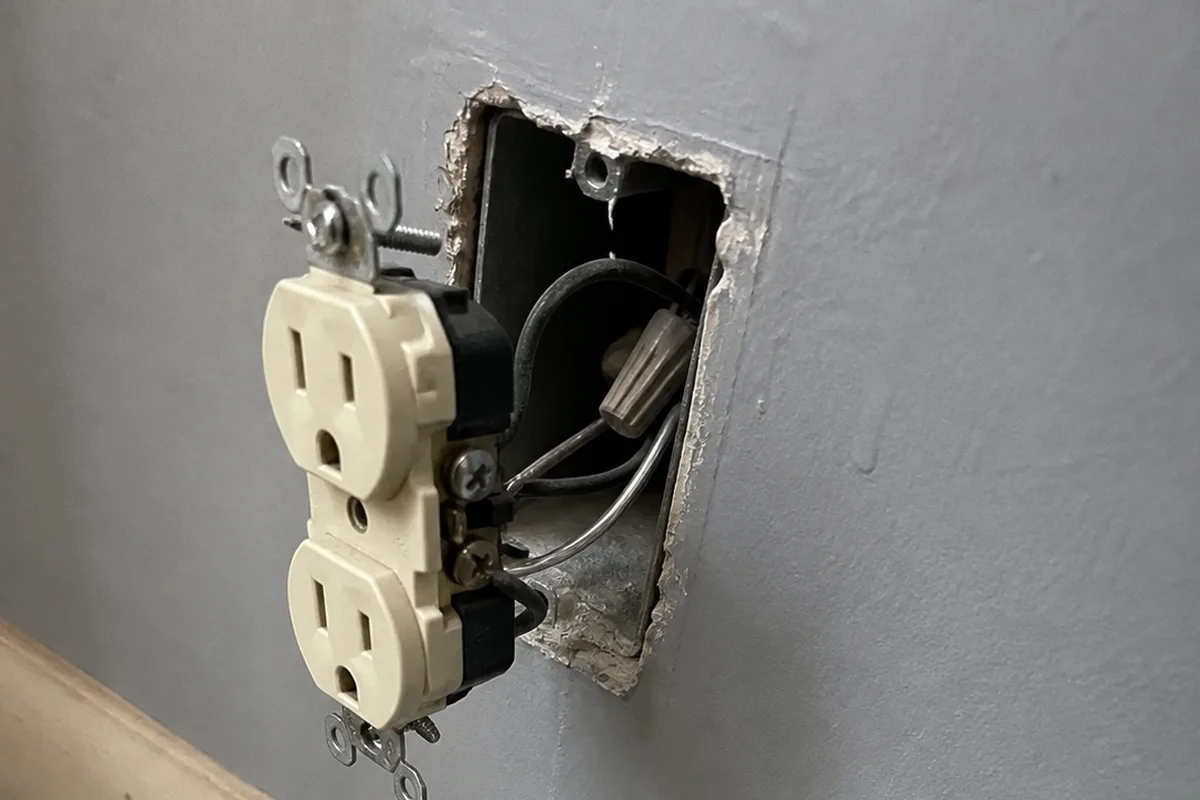
For an electrical contractor, an electrical burn or shock that sends a worker to the hospital as an inpatient, other than for medical observation or diagnostic testing, meets the serious injury definition. A shock that results only in observation does not meet that stated definition on that fact alone.
Labor Code section 6302 defines “serious injury or illness” as:
“any injury or illness occurring in a place of employment or in connection with any employment that requires inpatient hospitalization, for other than medical observation or diagnostic testing, or in which an employee suffers an amputation, the loss of an eye, or any serious degree of permanent disfigurement”
The new law also adds serious exposure. Section 6302 defines it as:
“any exposure of an employee to a hazardous substance when the exposure occurs as a result of an incident, accident, emergency, or exposure over time and is in a degree or amount sufficient to create a realistic possibility that death or serious physical harm in the future could result”
Lead disturbed during demo or remodel work is one hazardous substance electricians may encounter. Whether a particular exposure qualifies depends on its degree and amount under that definition. Review the California lead standard and the tasks that trigger it.
The penalties are not small. Section 6425(a) provides:
“imprisonment in a county jail for a term not exceeding one year, or by a fine not exceeding one hundred thousand dollars ($100,000), or by both that imprisonment and fine; or by imprisonment in the state prison for 16 months, or two or three years, or by a fine of not more than two hundred fifty thousand dollars ($250,000), or by both that imprisonment and fine; and in either case, if the defendant is a corporation or a limited liability company, the fine may not exceed one million five hundred thousand dollars ($1,500,000).”
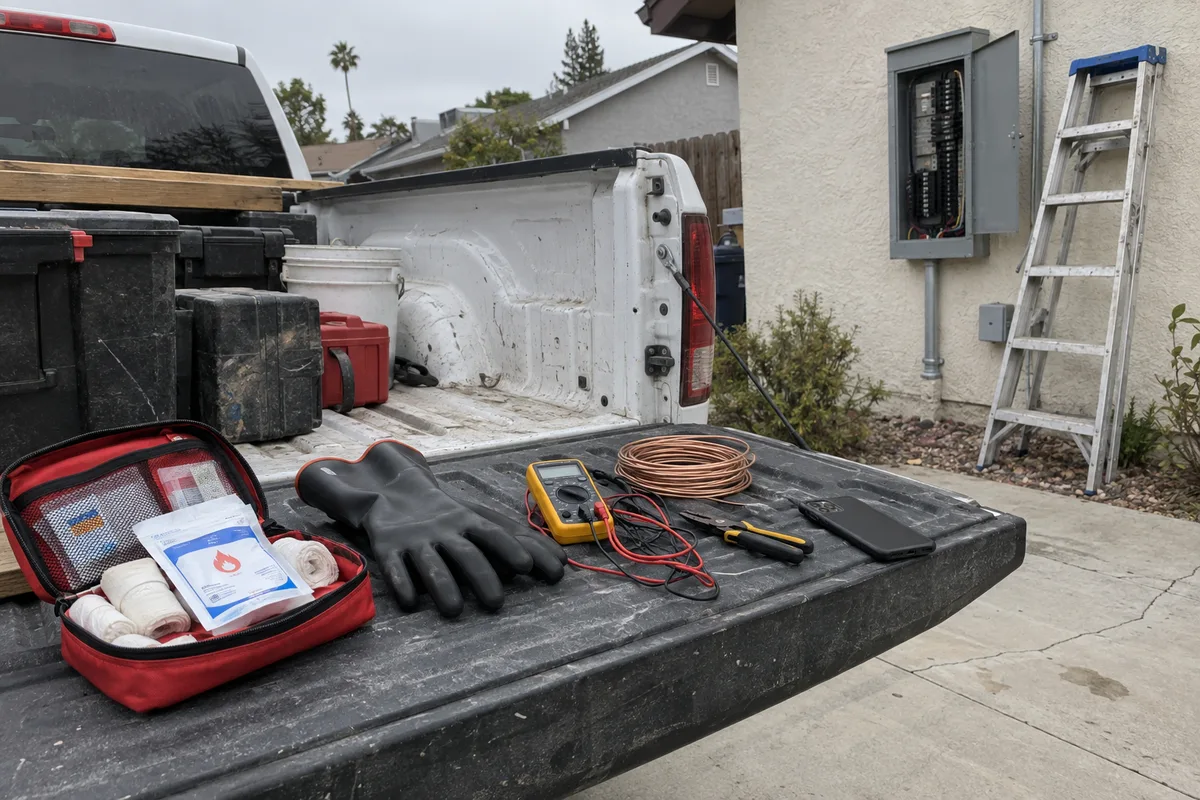
The energized-work rules matter here. A willful violation of an energized-work standard that leads to a shock or burn injury now has the added criminal exposure described in section 6425(a). Review the Cal/OSHA energized-work rules.
Stalling a Cal/OSHA inspector is now a misdemeanor
AB 2321 adds Labor Code section 6314(f). It provides:
“Any person who willfully resists, prevents, impedes, or interferes with the chief or their authorized representative in the performance of their duties under subdivisions (a) to (d), inclusive, of this section, or who in any manner willfully violates an order of the court relating to those duties is guilty of a misdemeanor, punishable by imprisonment in a county jail, not exceeding six months, or by a fine not exceeding five thousand dollars ($5,000) or both.”
Section 6314 gives Cal/OSHA’s chief and authorized inspectors free access to places of employment for investigation and inspection.
The statute says “any person.” That includes a crew member at the job, not just the owner. Tell your crews who calls the office when an inspector arrives. Nobody should stall, hide, or turn the inspector away. Talk to your own attorney about your rights during an inspection.
The district attorney gets notice at the same time as Cal/OSHA
Amended Labor Code section 6409.2(a) states:
“Whenever a state, county, or local fire or police agency is called to an accident involving an employee covered by this part in which a serious injury or illness, or serious exposure, or death occurs, the responding agency shall immediately notify the nearest office of the Division of Occupational Safety and Health by telephone, as well as the district attorney’s office in the county where the incident occurred.”
Before AB 2321, the responding agency notified Cal/OSHA, and Cal/OSHA notified the prosecuting authority. The amendment adds serious exposure and requires the responding fire or police agency to notify the DA’s office directly.
Section 6409.2(b) now states:
“The division shall immediately notify the bureau and the district attorney’s office or other appropriate prosecuting authority, of the accident, whether the division received notification by the responding agency, the employer, or by other means.”
The “bureau” is Cal/OSHA’s Bureau of Investigations. If an ambulance or fire engine responds to your job site for a serious injury, assume the county DA’s office hears about it that same day, regardless of whether someone at your shop has called anyone yet.
The bureau must investigate an accident involving serious injury, illness, or exposure when Cal/OSHA issues a citation for a willful violation. Cal/OSHA must create a routine or automated process to send serious-incident information to the bureau. The bureau must adopt written policies for deciding whether to investigate or refer cases for prosecution, and its annual report will also go to the Legislature.
Your eight-hour Cal/OSHA reporting rule stays the same
AB 2321 does not change the employer’s reporting duty. Title 8, section 342(a), states:
“Every employer shall report immediately to the Division of Occupational Safety and Health any serious injury or illness, or death, of an employee occurring in a place of employment or in connection with any employment.”
“Immediately” means:
“as soon as practically possible but not longer than 8 hours after the employer knows or with diligent inquiry would have known of the death or serious injury or illness.”
The clock runs from when the employer knows, or with diligent inquiry would have known. Missing a call does not stop it. Failure to report already carries a minimum penalty of $5,000 under Title 8 section 336, operative January 1, 2025. Review the Cal/OSHA penalties and eight-hour reporting rule.
The first injury call needs a person behind it
The first word of a serious injury usually arrives by phone, not paperwork. It may be the crew lead calling from the job or hospital, a general contractor’s superintendent, or an emergency room calling for insurance information.
That call may come while you are in an attic or under a house. If it goes to voicemail, the section 342 clock is still running from the moment the shop could have known. The fire department may also notify the DA’s office before you do.
Treat the person answering after an injury as part of the safety plan. Decide who reports to Cal/OSHA. Tell crews who to call when an inspector arrives. Add “hospital,” “ambulance,” “injured,” “burned,” “shocked,” “Cal/OSHA,” and “inspector” to your urgent call rules.
Wirewoman answers your shop line 24/7. You choose which keywords mean “call me now.” She routes those calls to your cell under your shop’s escalation rules, and after hours to whoever you name. Within 30 seconds of hang-up, she texts a summary with who called, the problem in the caller’s own words, and how urgent it is. Every call is logged to a dashboard.
Wirewoman does not file the Cal/OSHA report, decide whether an injury is reportable, or talk to inspectors for you. Her job is making sure the call that starts the clock does not sit unheard.
Before January 1, 2027, set the escalation keywords, name the person who handles the first call, brief every crew on inspector visits, and keep your energized-work and lead procedures current.