TL;DR: AB 2313 requires California gas corporations regulated by the CPUC to offer a gas service line replacement alternatives program by January 1, 2028. The incentive amount is not set yet, so do not quote a dollar amount or include one in an electrification proposal.
The law gives customers a choice before a planned gas line replacement
AB 2313, the Home Energy Choice Act, was signed by Governor Newsom on September 30, 2026. It is Chapter 934, Statutes of 2026. Assemblymember Marc Berman authored the bill.
The law directs the California Public Utilities Commission, in a new or existing proceeding, to solicit proposals for and require each gas corporation to offer a “Gas Distribution Service Line Replacement Alternatives Program” on or before January 1, 2028.
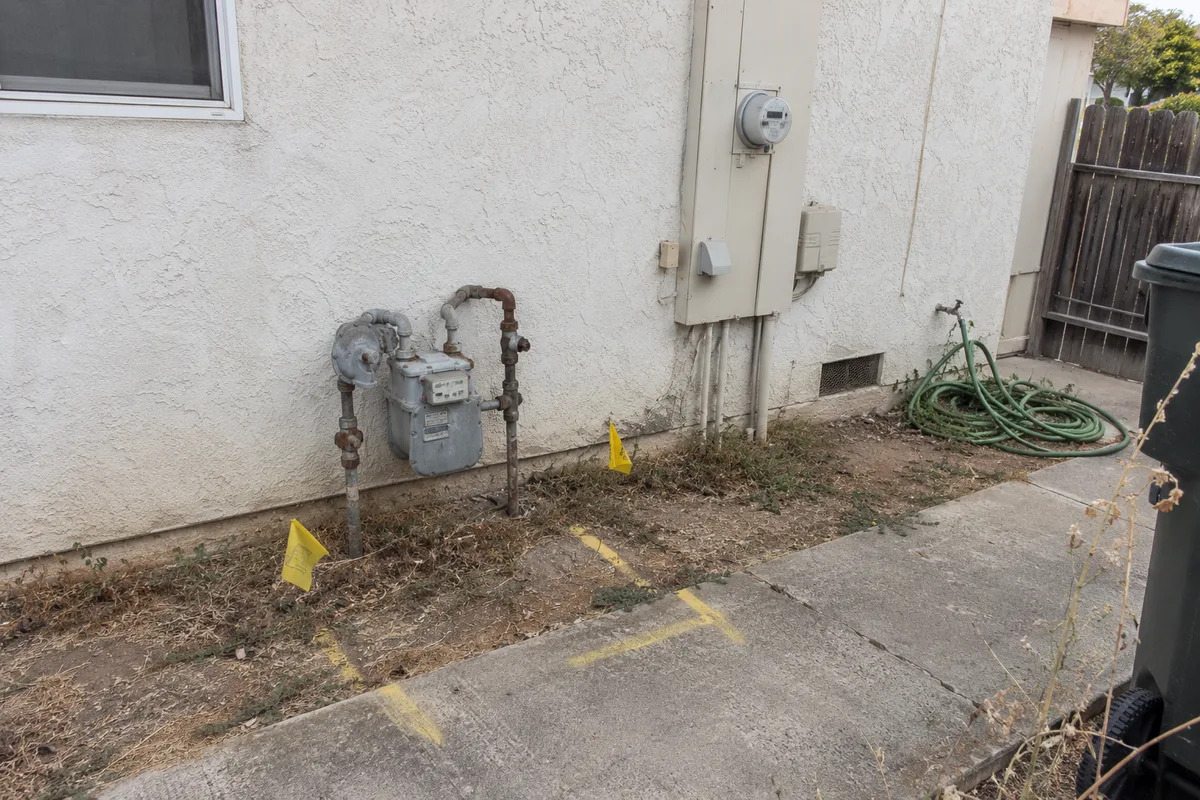
The program applies when a residential gas customer is served by a gas distribution service line that the utility plans to replace. That service line is the pipe connecting the home to the gas main.
Instead of replacing the pipe, the utility would decommission it. The customer would give up gas service and deploy approved alternatives to gas appliances. The customer would receive a monetary incentive.
That is the basic deal. The customer stops using gas. The line is decommissioned instead of replaced. The utility avoids the replacement expense. The incentive is designed to cost less than replacing the line, according to the Earthjustice signing release, so the program can save money for other ratepayers.
Emergency gas service line replacements are exempt. A customer cannot treat an emergency replacement as a planned replacement and assume the incentive applies.
The CPUC has not decided the money or the equipment
The law creates the program. It does not set the incentive amount.
The CPUC still has to design the program. That includes deciding the dollar amount, exactly which planned service line replacements qualify, and which electric equipment counts as a replacement alternative.
No one can quote those terms yet. Do not tell a caller that the utility will pay a specific amount. Do not subtract a supposed incentive from your proposal. Do not write an incentive into a contract before the program rules exist.
The CPUC must review the program every year and decide whether design changes could increase participation. It must report the program’s progress to the Legislature on or before January 1, 2029, and every year after that. The law’s provisions repeal January 1, 2035.
The program applies to owner-occupied and rental properties. Governor-signing press releases from the bill’s author and co-sponsor Earthjustice describe additional support for households in disadvantaged communities. The Senate Energy, Utilities and Communications Committee analysis says the CPUC must develop tenant notification and engagement requirements as part of the program design.
A gas line notice can turn into a full electrification scope
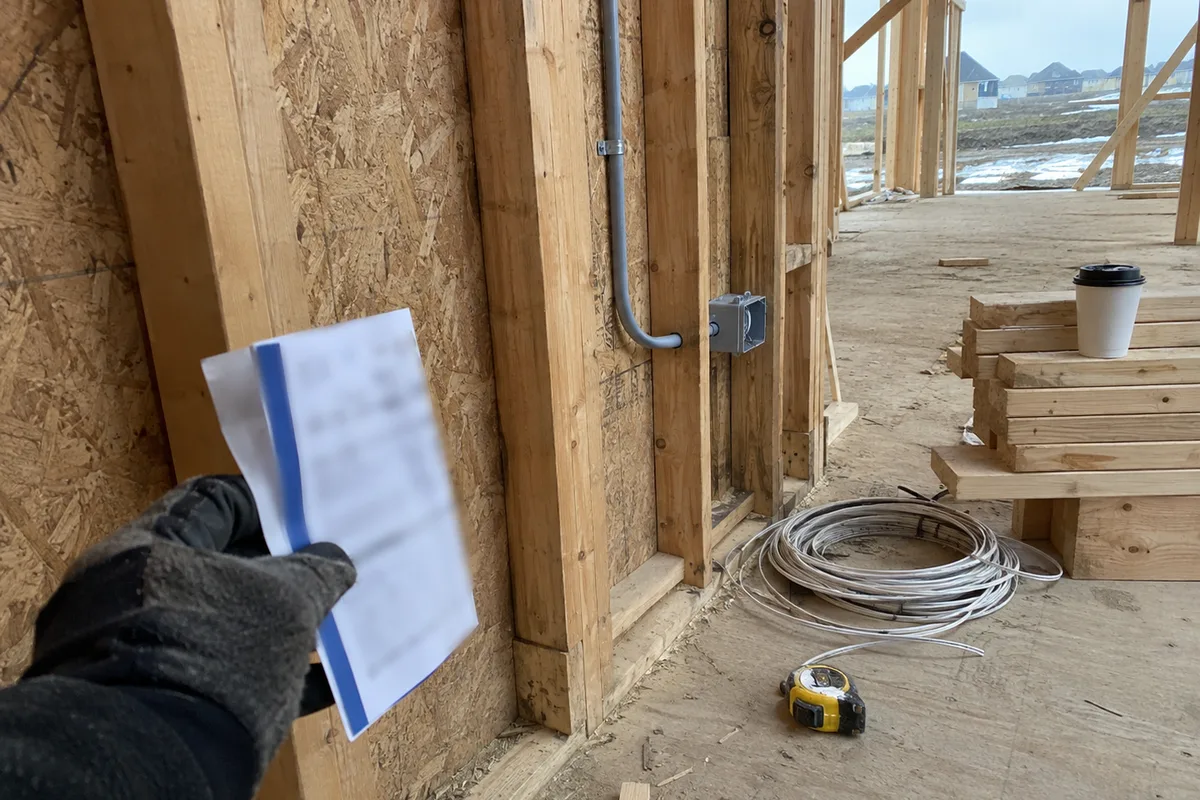
On these calls, the homeowner rarely says “AB 2313.” The caller says the gas company left a notice that it plans to replace the gas line, and someone said the homeowner could get paid to go electric instead.
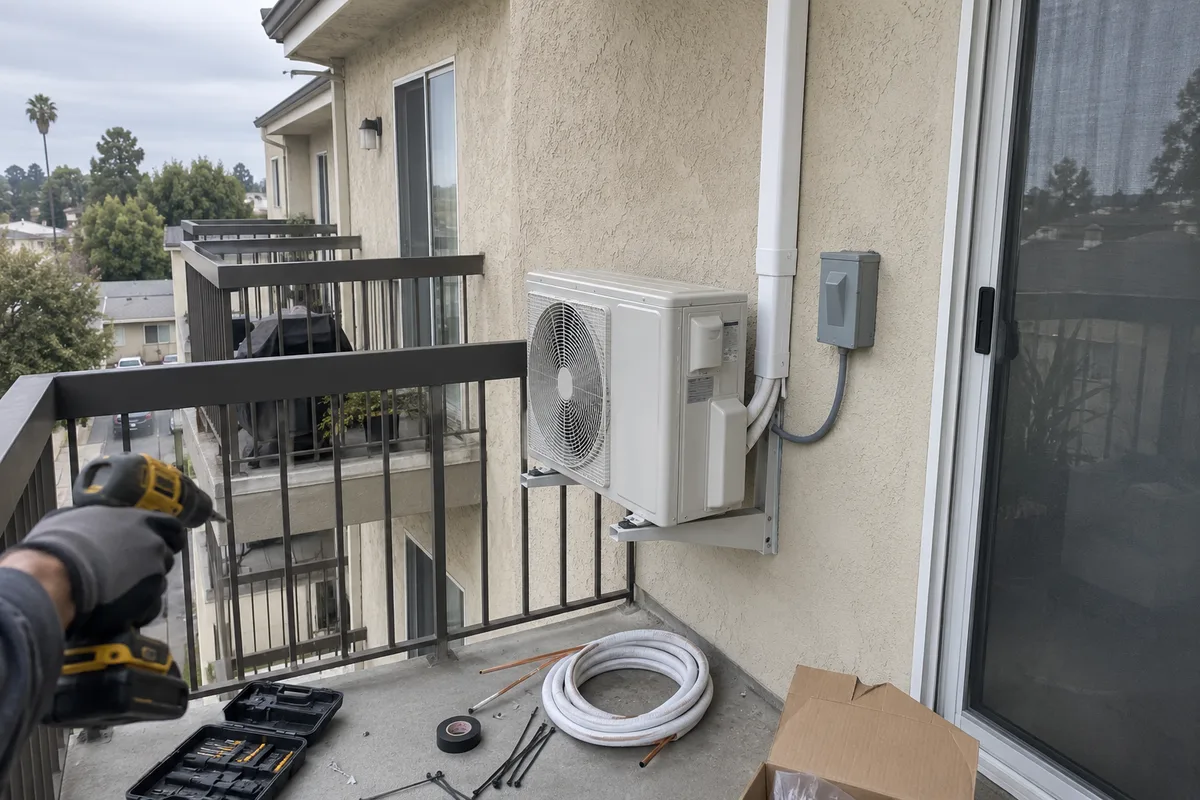
That distinction matters. Going all-electric means replacing every gas appliance the household intends to keep using. The usual list is the water heater, furnace, range or cooktop, and clothes dryer. Each needs a circuit.
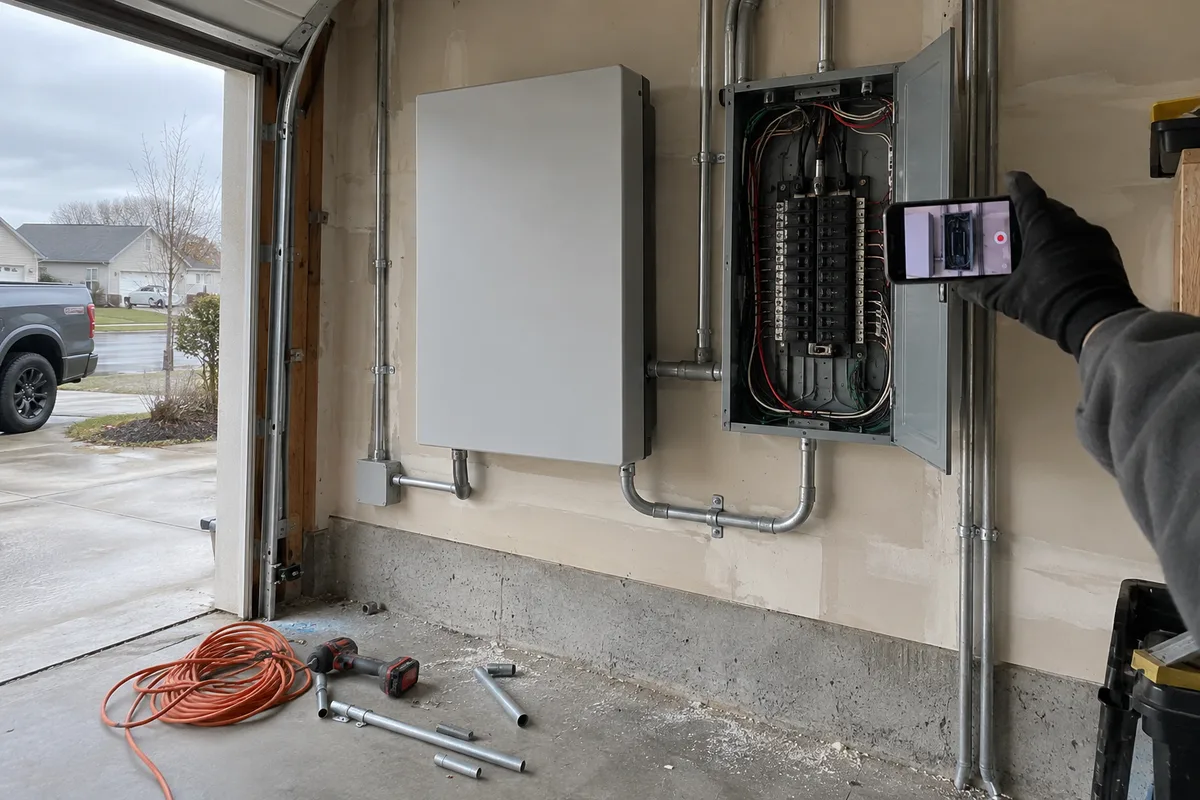
The first electrical scoping question is whether the existing panel and service can carry the new load. Sometimes the current equipment works with the added circuits. Sometimes the job calls for a panel upgrade or a service upgrade.
Before you book the site visit, ask the questions covered in our panel upgrade call guide. Get the panel amp rating if the caller knows it. Identify every gas appliance in the house. Ask whether the property owner or renter is calling.
A heat pump water heater and heat pump HVAC system have permit fees capped under SB 222. A panel replacement can still be a separate permit. See the SB 222 permit fee article before you describe the permit cost.
If the electrical service needs an upgrade, the utility’s energization timeline becomes part of the job. SB 1196 covers the utility timelines for small service hookups and upgrades.
The program covers CPUC-regulated gas corporations, not city-owned utilities
AB 2313 applies to gas corporations regulated by the CPUC. That includes investor-owned utilities such as PG&E, SoCalGas, SDG&E, and Southwest Gas.
City-owned gas utilities are outside CPUC regulation. The Senate committee analysis identifies Coalinga, Long Beach Gas & Oil, Palo Alto, Susanville, and Vernon as utilities that are not regulated by the CPUC.
Do not promise the program to every homeowner who mentions a gas line notice. First identify the gas utility. Then determine whether the notice concerns planned replacement work or emergency work. The program’s final rules will control the actual qualification details.
Proponents cited PG&E’s replacement of roughly 15,000 service lines each year in the Senate Energy, Utilities and Communications Committee analysis for the June 30, 2026 hearing. Earthjustice and NRDC co-sponsored the bill. The measure was modeled on a similar program in New York.
The bill also drew opposition from Utility Workers Union of America Locals 132, 483, and 522, which raised safety, reliability, and cost concerns. Those issues are part of the record. They do not change the current answer to a customer asking whether a dollar amount exists. It does not.
Existing electrification funding is a separate program
California already has the Equitable Building Decarbonization Program under Public Resources Code section 25665 and following. Its direct install program can fund electric appliances, wiring and panel upgrades, and building infrastructure upgrades.
That is a separate existing program. Do not tell a customer that it stacks with AB 2313. Do not use it to fill in the missing AB 2313 incentive amount.
Federal residential energy credits under sections 25C and 25D have expired. A customer cannot count on a federal credit to pay for the switch either. Point customers to the federal energy tax credit update when that question comes up.
The flat utility charge also belongs in the quote discussion. Our article on California’s base services charge explains why the customer’s future utility bill should not be described as though every charge disappears after gas service ends.
Your phone answer should separate the law from the launch date
Customers will hear a simple version: “The utility pays you to go electric.” Your answer needs to be more exact.
Tell them the law was signed on September 30, 2026. Tell them the program must be offered by January 1, 2028. Tell them the CPUC has not set the incentive amount, the qualifying planned replacements, or the equipment list.
Do not quote an incentive. Do not build one into your price.
A homeowner who wants to electrify regardless of the incentive does not have to wait for the program. A homeowner whose decision depends on the incentive should hear back from the gas utility about the program first. Emergency replacements will not qualify under the law.
Intake should capture the facts before you call back
Wirewoman answers your shop’s line 24/7. Within 30 seconds after the caller hangs up, you receive a text with the caller’s name, address, the problem in the caller’s own words, urgency, and booked time. Every call is logged to a dashboard.
Each setup’s intake questions are tuned by hand with you. For an electrification call, you can set the intake to ask which gas appliances are in the house, whether the caller knows the panel’s amp rating, whether the notice concerns planned replacement or emergency work, and whether the caller owns or rents.
Those answers arrive in the SMS before the callback. You can see whether the call may involve a few circuits or a service upgrade before you drive out.
Change your intake now. Add the gas utility name, the notice language, the planned-versus-emergency question, every gas appliance, the known panel rating, and owner-versus-renter status. Train your office to give the same three-part answer every time: signed law, January 1, 2028 deadline, incentive amount not set.