TL;DR: Starting January 1, 2027, a California condo or townhome HOA cannot block a code-compliant cooling system in an owner’s unit. The permit still controls, and if required electrical or building permits are not granted, the HOA can still block the installation.
A condo cooling job can move forward without an HOA board saying yes first. AB 1684 adds Civil Code 4738 and voids HOA rules that prohibit or restrict a code-compliant cooling system.
The law does not take effect until January 1, 2027. As of October 5, 2026, the old CC&Rs still apply.
AB 1684 takes effect January 1, 2027
AB 1684 is titled “Common interest developments: cooling systems.” Assemblymember Christopher Ward authored it. Governor Gavin Newsom approved it September 30, 2026. It is Chapter 887, Statutes of 2026, and was filed with the Secretary of State that same day.
There is no urgency clause. That is why the effective date is January 1, 2027.
The bill adds Civil Code Section 4738 to the Davis-Stirling Common Interest Development Act. That is the law governing condos, townhome HOAs, and other common interest developments operated by an association.
Before AB 1684, a similar rule already applied to cooling systems in mobilehomes under the Mobilehome Residency Law. AB 1684 brings that protection to condos and other HOA properties.
Under Section 4738(a), an HOA governing document or architectural guideline is void and unenforceable if it prohibits or restricts the installation, upgrade, replacement, or use of a cooling system that complies with all applicable state and local building codes.
The same applies to a covenant, restriction, or condition in a deed, contract, security instrument, or other instrument affecting the transfer or sale of real property under Section 4738(b).
The HOA cannot pick the system, contractor, or brand
Starting January 1, 2027, an association cannot prohibit or restrict a member from installing, upgrading, replacing, or using a cooling system in the member’s separate interest.
The association also cannot:
- Charge the member a fee tied to the installation, upgrade, replacement, or use.
- Require a specific cooling system or type of cooling system.
- Require a specific contractor or product.
- Claim a rebate, credit, or commission connected to the system.
- Require removal of an existing cooling system.
- Prevent replacement or upgrade of an existing system.
That opens the job to your shop. The owner does not have to use the HOA’s preferred electrical contractor, HVAC contractor, product, or brand.
The rule reaches more than central air. Section 4738(d) says a cooling system may include a portable air-conditioning unit, window air-conditioning unit, swamp cooler, evaporative cooler, cooling fan system, heat pump, or other technology that reasonably creates an internal temperature cooling benefit. The system must meet applicable health and safety standards.
The permit is still the gate
The HOA loses its veto over a code-compliant system. It does not lose the right to rely on a missing permit.
Section 4738(c)(2) creates an exception if the association establishes that the work would violate federal, state, or local law, or that a permit from a designated permitting authority is required and the permit is not granted.
The statute says “permit” includes “any electrical, building, or other permit required by law for work associated with the cooling system.”
That makes the permit both your code obligation and the owner’s protection against the board. Pull the required permit. If an electrical permit is needed, do not treat it as paperwork after the HOA issue is settled. It is part of the answer to the HOA issue.
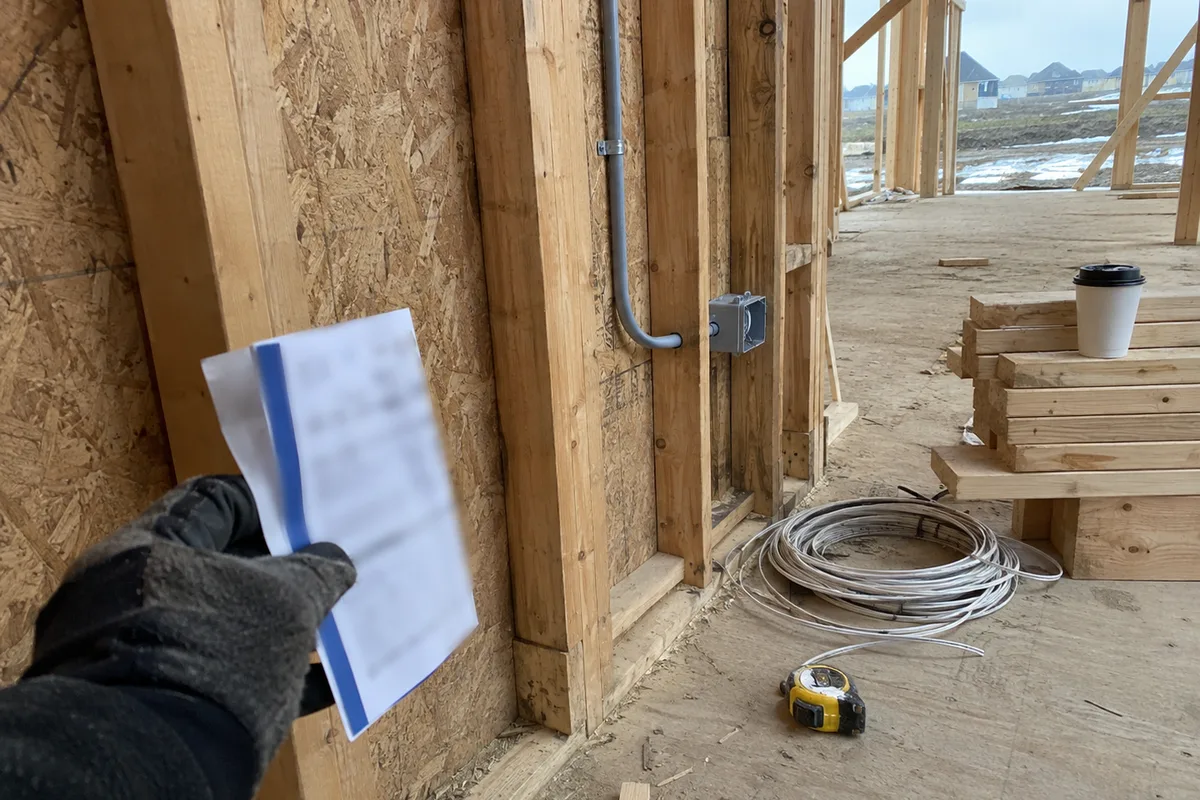
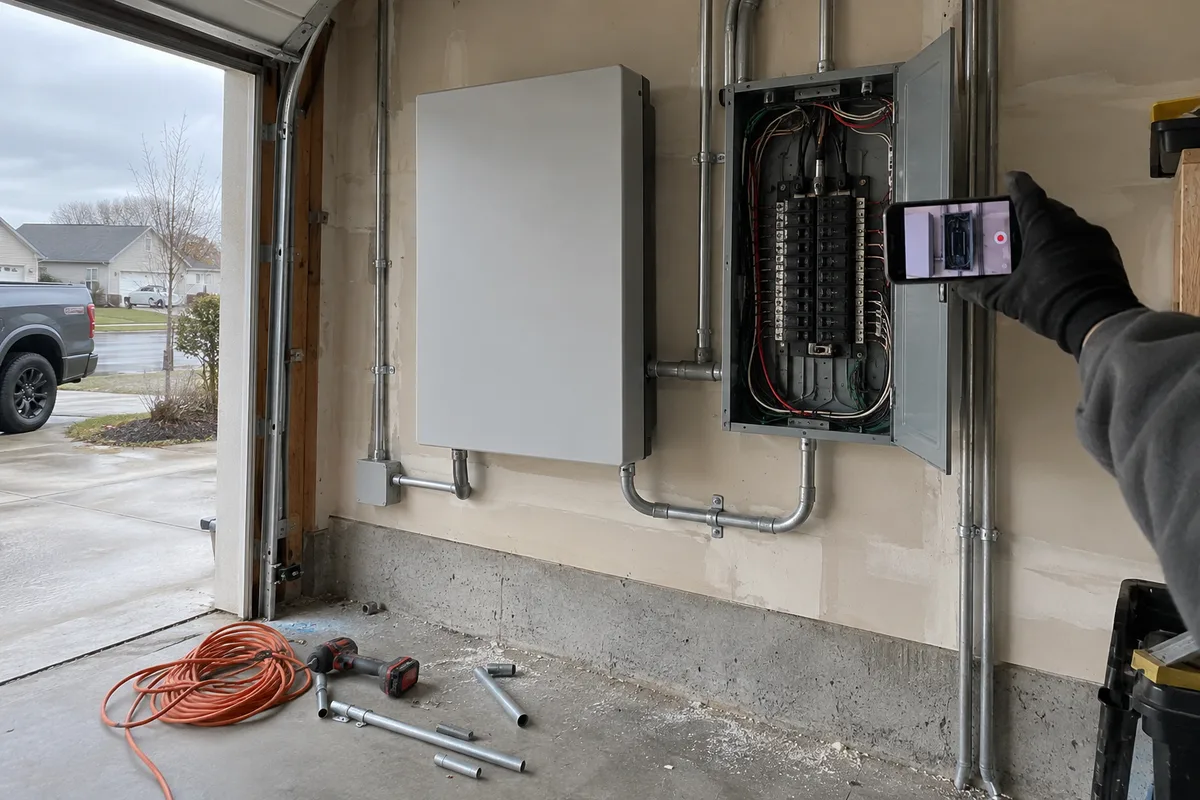
A ductless mini-split or heat pump usually means a new dedicated circuit and a disconnect. Older condos may also raise a panel or load question. A new circuit and a panel capacity check belong in the quote. For related heat pump permit rules, see California’s SB 222 heat pump permit fee cap and panel carve-out.
Common areas still change the job
The outdoor equipment location matters before you price the work.
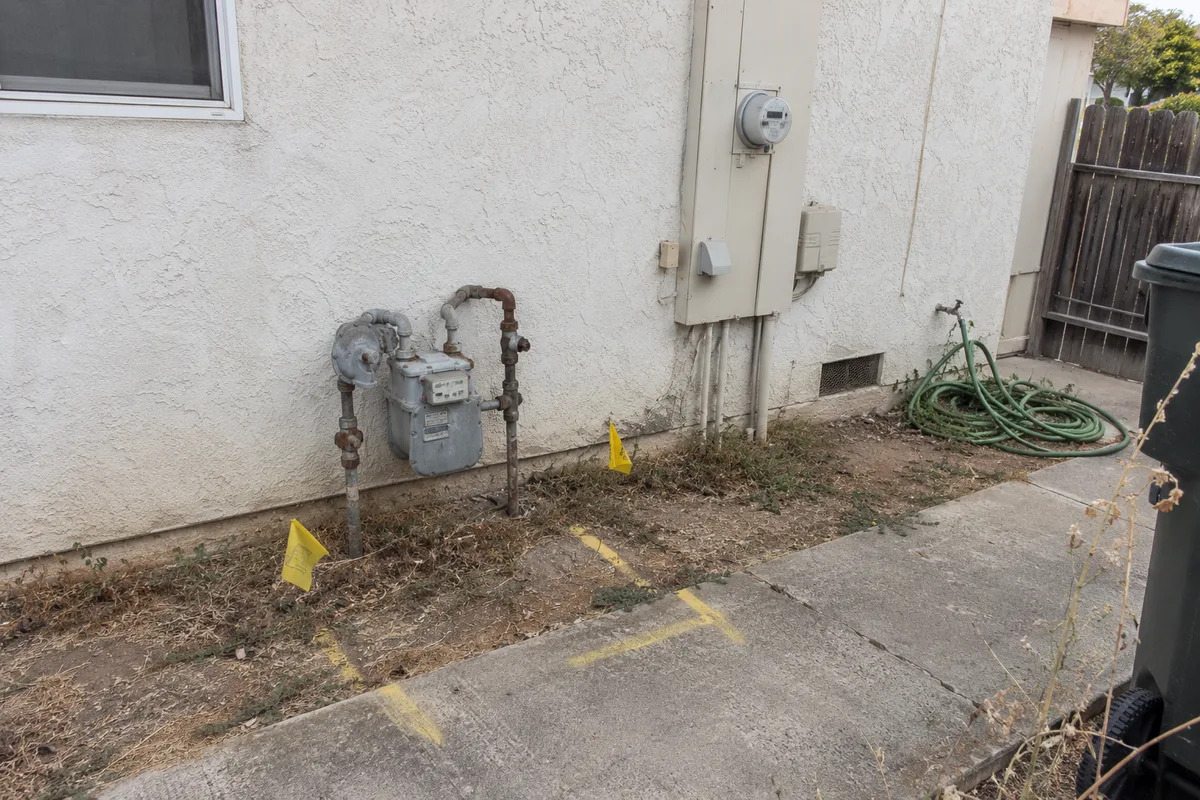
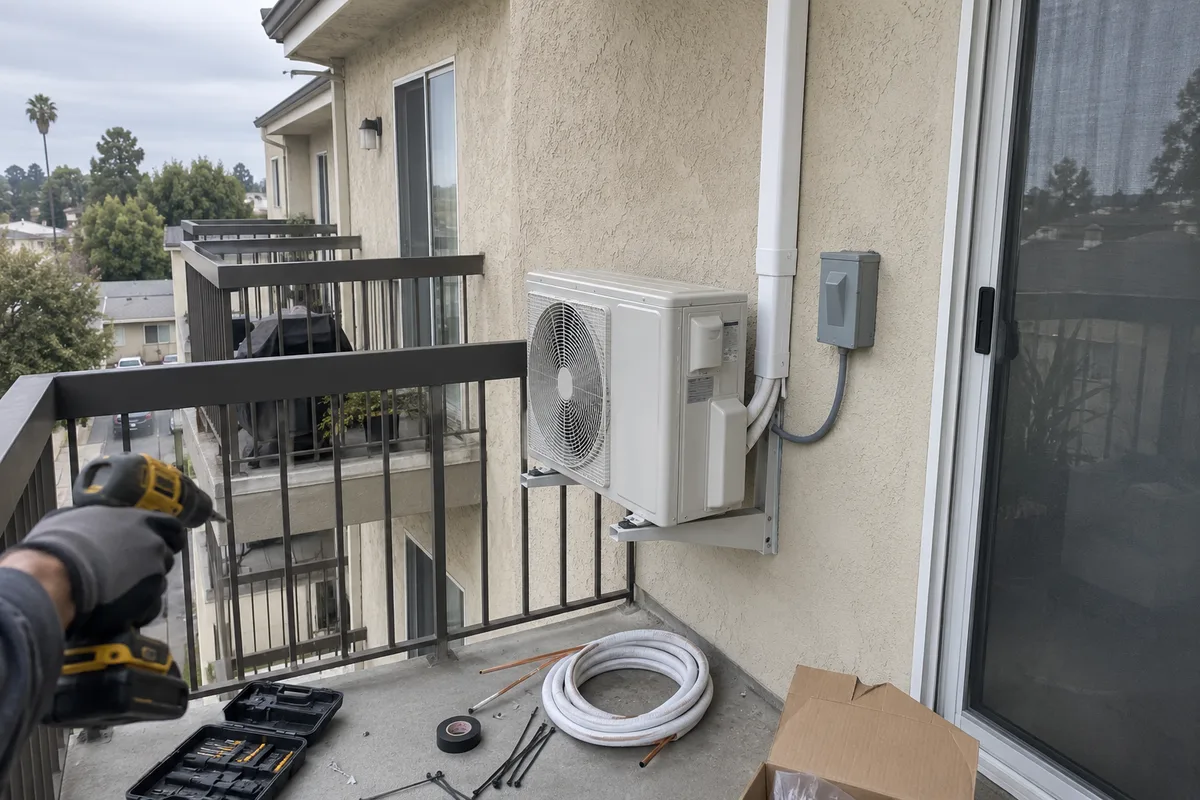
If the condenser, line set, or wiring affects a common area or an exclusive use common area, the HOA can still impose specific responsibilities. That can include a roof, exterior wall, shared balcony, or shared patio.
Under Section 4738(e), the association can require the member, and a later owner of that unit, to be responsible for repairing damage to:
- The common area.
- The exclusive use common area.
- Another member’s separate interest.
The damage can result from installation, operation, maintenance, or removal.
The HOA can also require the member to hire a licensed contractor to install, maintain, and repair the system. That licensed-contractor requirement does not apply to a portable AC unit, window AC unit, evaporative cooler, or another cooling system that does not require a local building permit.
The association can also require disclosure of the system and the owner’s related responsibilities to prospective buyers.
This is why the first tell on a condo cooling call is often the address itself. A unit number on the job summary is the cue to ask two questions before you quote: Is this an HOA property? Where would the outdoor unit or line set go?
The answer tells you whether the board still has a say over common area impacts. It also tells you how long the line set run may be.
SB 222 covers a narrower heat pump rule
SB 222, authored by Senator Scott Wiener, is Chapter 738. The Governor approved it September 28, 2026, and it also takes effect January 1, 2027.
SB 222 adds Civil Code Section 4737. It covers HOA provisions that prevent replacing a fuel-gas-burning appliance with a code-compliant electric appliance. It also bars HOAs from prohibiting residential heat pump water heaters and heat pump HVAC systems in a member’s separate interest.
The distinction is direct. Section 4737 covers heat pumps and gas-to-electric swaps. Section 4738 reaches any cooling system, including window units, portable AC units, and evaporative coolers.
SB 222 also caps the heat pump HVAC permit fee at $200 and the heat pump water heater permit fee at $150. The SB 222 article covers those permit limits and the separate panel permit.
Ask the HOA and equipment questions before you book
Do not wait until the crew is rolling to find out that the outdoor unit sits on a roof or that the line set crosses an exterior wall.
Ask whether the home is in an HOA. Ask where the outdoor unit or line set would go. Ask whether the work involves the owner’s patio or balcony, an exterior wall, or the roof.
Then handle the electrical intake. Ask about the existing panel and whether a new circuit will be needed. The broader list in questions to ask on every electrical call belongs in this conversation too. If the answer points to a panel capacity issue, use the questions in panel upgrade calls: what to ask before you book.
Your role is a permitted, code-compliant installation. The owner handles the HOA. Do not give the owner legal advice. Give the owner accurate information about the electrical work, the permit, and the site conditions.
If the quote involves broader electrification work, California’s fixed utility charge and electrification quotes may also belong in the estimating conversation.
Summer 2027 is the first cooling season under the new rule
Until January 1, 2027, a caller can still be told no under existing CC&Rs. That remains the practical answer this fall.
Starting January 1, the association cannot block a code-compliant cooling system simply because its documents prohibit it. But a missing required permit, a legal violation, or common area impacts can still affect the job.
Wirewoman can help you capture those facts before you roll. She answers your shop’s line 24/7. Within 30 seconds of hang-up, she texts you the caller’s name, address, problem, urgency, and booked time, then logs the call to your dashboard. Her intake questions are tuned by hand with each shop, so she can ask condo callers whether the home is in an HOA and where the outdoor unit would go. That answer appears in the text before you arrive.
Change the intake now. Add the HOA question, the equipment-location question, and the panel-capacity question. Pull the required electrical or building permit and document where the equipment, line set, and wiring will go.