TL;DR: Schneider Electric recalled about 1.4 million Square D QO plug-on neutral load centers in the United States under CPSC recall 22-159. Ask for the brand, catalog number, date code, notice status, and warning signs, then book an inspection instead of diagnosing the recall or quoting a replacement by phone.
The Square D recall covers specific catalog and date codes
CPSC recall 22-159, announced June 16, 2022, covers about 1.4 million Square D QO plug-on neutral load centers in the United States, plus 289,000 in Canada. Schneider Electric said the affected equipment can overheat, posing thermal burn and fire hazards.
The recall covers indoor load centers with date codes between 200561 and 220233. Covers manufactured from December 2019 through March 2022 are also included. The products were sold from February 2020 through January 2022.
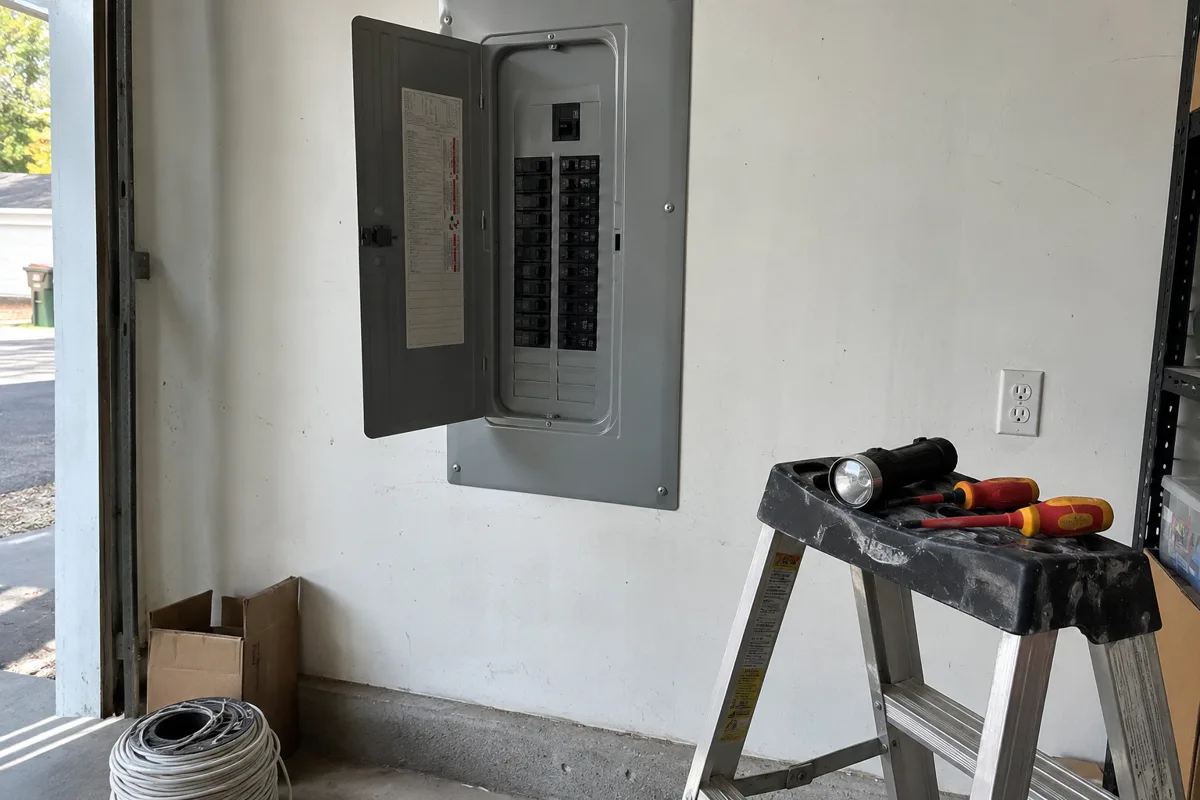
That does not mean every Square D QO panel is recalled. It means you need the catalog number and date code before you tell the customer what happens next. Both are inside the panel door.
The homeowner should not remove the cover to find them. Ask the caller to read the label inside the door, or send you a photo of the label.
Ask these questions in this order
The phone intake is a short fact-gathering job. Keep the questions fixed so a caller who does not know the panel brand can still give you useful information.
Ask:
- What brand name is printed on the door?
- Is there a label inside the door with a catalog number and date code?
- Can you read those numbers to me, or text me a photo?
- When was the panel installed?
- Did you receive a recall notice?
- Is there buzzing, a burning smell, a warm panel, scorch marks, or breakers tripping?
The caller may not know the brand. That is normal. Do not turn the call into a guess based on the age of the house or a blurry description of the cover.
Record the caller’s answers in their own words. The summary should show what they actually reported. When you arrive, you should already know the brand, the catalog number if available, the date code if available, and whether the caller reported a warning sign.
That is the difference between arriving for a defined inspection and arriving to begin the intake at the door. The questions in what to ask before you book a panel upgrade call follow the same basic discipline.
Warning signs change the call to an emergency
A buzzing panel, burning smell, warm panel, scorch marks, or breakers tripping is not a routine recall inquiry. Escalate it as an emergency, the same way you would handle any hot-panel call.
Tell the caller to stay away from the panel. If there is smoke, tell them to call 911.
Do not keep collecting catalog numbers while the caller is standing next to a hot panel. Do not have them remove the cover for a better photo. The warning sign controls the call.
Your shop should have a written after-hours rule for this situation. The after-hours call policy every electrical shop needs is the place to set out that rule. The broader distinction between urgent electrical conditions and ordinary service requests is covered in what counts as an electrical emergency.
Do not diagnose the recall over the phone
Do not tell the caller the panel is recalled. Do not tell them it is not recalled. You have not inspected the equipment, and the caller may not have the correct catalog number or date code.
Point the caller to Schneider Electric’s recall notice. Schneider provides a free replacement or repair for equipment covered by the recall. The homeowner can contact Schneider at 888-778-2733, from 8 a.m. to 8 p.m. Eastern Time, Monday through Friday, or at se.com/qoloadcenter-safetyrecallnotice.
The customer question is usually, “Is mine one of them?” It is not, “What will a panel replacement cost?” Do not quote a panel replacement for equipment that may qualify for a free manufacturer remedy.
Offer an inspection visit for your service-call fee. If the customer asks whether they should pay for an estimate, point them to should you charge for an electrical estimate. Keep the inspection and the manufacturer’s repair or replacement remedy separate.
CPSC reported one incident involving a loose wire. No injuries were reported. The stated hazard remains overheating, with thermal burn and fire hazards.
The calendar should reflect the caller’s actual risk
Wirewoman answers 24/7, books to the calendar, sends the job summary by SMS within 30 seconds, logs every call to a dashboard, and routes urgent calls by the shop’s own escalation rules.
That means a hot-panel caller on a Sunday night goes to the on-call number. A caller who is only checking a date code books a weekday slot. The system does not treat both calls as the same job.
The job summary should include the brand on the door, the catalog number and date code if the caller supplied them, the installation date, whether a notice was received, and every warning sign reported. If the caller sent a photo, note that too.
If the same call raises an unrelated question about aluminum branch circuit wiring, send the customer to aluminum branch circuit wiring and CPSC repair methods rather than mixing that issue into the recall diagnosis.
Change the script before the next recall call
Put the six intake questions in your phone script. Tell callers not to remove the panel cover. Add the warning-sign escalation and the smoke instruction. Make the inspection fee clear, and do not quote replacement work before checking whether the equipment qualifies for Schneider Electric’s free remedy.
Then send the technician the caller’s answers before the appointment. The technician should arrive looking for the catalog number, date code, and reported condition, not asking the customer to repeat the entire call.