TL;DR: A copper theft call is a hazard intake before it is a repair booking. Keep people and pets away, ask whether anything is exposed, sparking, or smoking, and do not quote until you see the damage.
Copper theft can turn a normal service call into a hazard call
A single copper theft repair on a Los Angeles streetlight can cost $750 to $1,500, according to Canary Media’s August 2025 report. The same report said theft and vandalism grew from a few percent of the Los Angeles Bureau of Street Lighting’s service requests to about 40%. Since 2020, Los Angeles has spent more than $100 million repairing that damage.
This is not only a Los Angeles problem. Canary Media reported that San Jose had about 1,000 streetlights out because of copper theft in early July 2025.
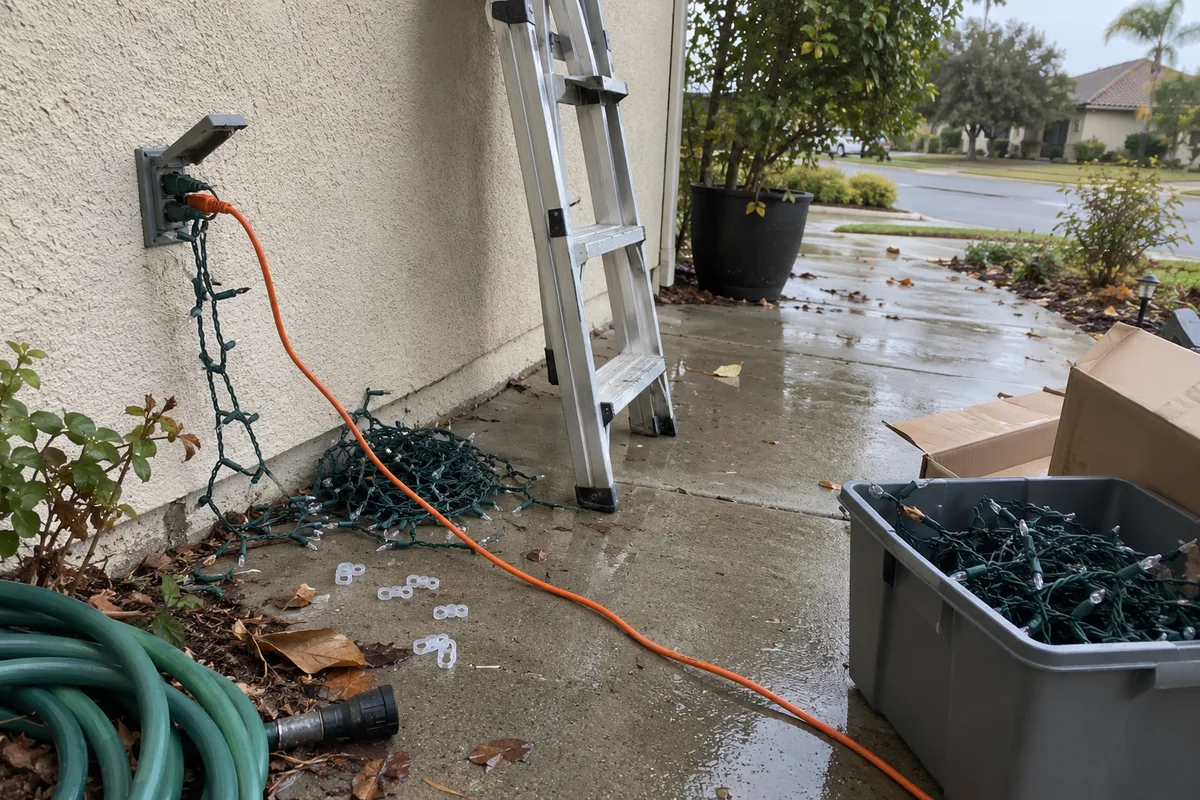
The same pattern reaches private property. Customers call after someone cuts wiring at a home, commercial site, parking lot, addition, panel, pedestal, junction box, or EV charger. Your first job is not reconnecting the wire. It is finding out whether anyone is standing near an energized hazard.
Ask two safety questions before you book the truck
Customers may say:
- “Someone cut the wires.”
- “The charger cable is gone.”
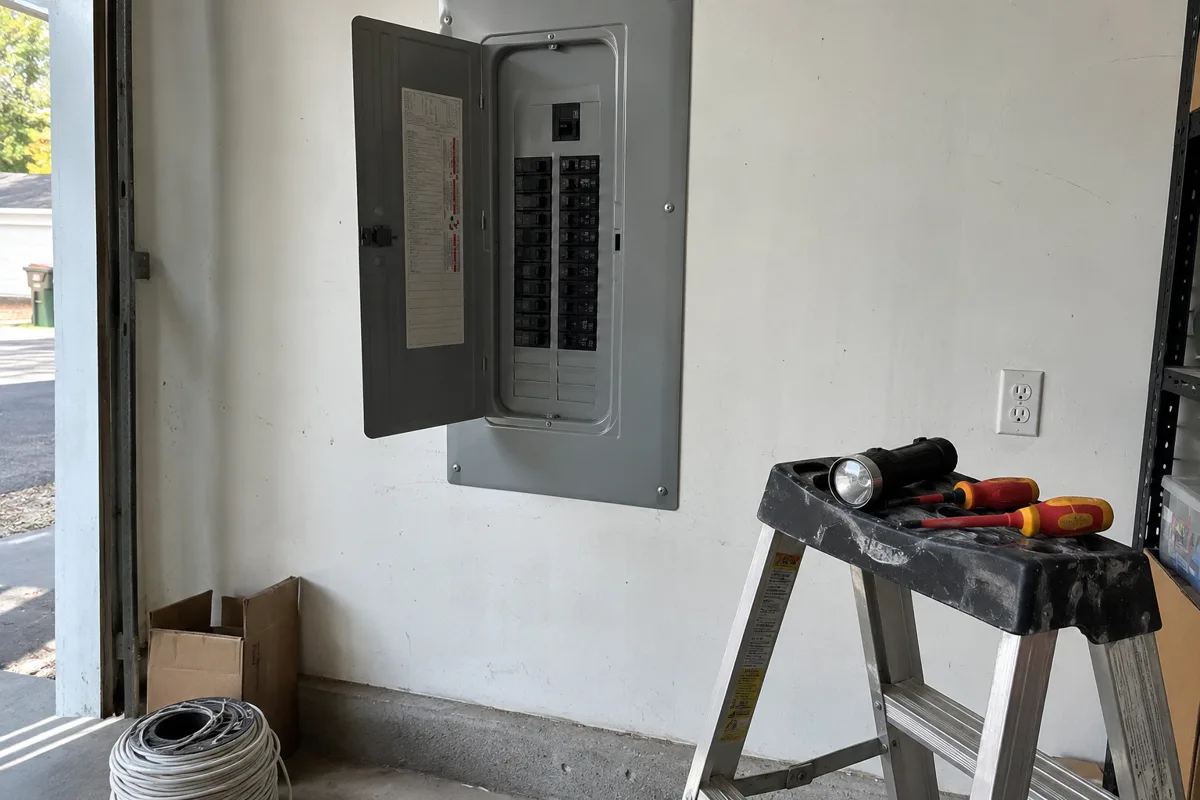
- “Wires are hanging out of the panel.”
- “There are wires hanging out of the pedestal or junction box.”
- “The copper’s been stripped from the addition.”
- “The lights or a circuit suddenly went dead, and there is visible damage.”
Keep the phone guidance at the safety level. Tell the caller to keep people and pets away. Tell them not to touch anything and not to try to tape anything.
Ask these two questions beyond the caller’s name and address:
- Is anything exposed, sparking, or smoking right now?
- Has it been reported to police?
If there is sparking, smoke, a burning smell, or a wire down near a walkway, tell the caller to call 911 or the utility. Do not give repair instructions by phone.
The police report number matters for the customer’s insurance claim. Put it on the work order when the caller has it.
For a three-level way to sort the call, use your electrical emergency triage guide. Theft damage may look like a repair request while still requiring immediate attention.
The caller’s own words belong in the SMS job summary
The problem field in the SMS job summary should use the caller’s own words. That wording tells you whether this is a routine booking or a hazard that needs a callback now.
“Cable cut off the charger in the parking lot” is a booked repair.
“Wires hanging out of the box by the side gate” means exposed conductors. Someone should call that customer back now.
That distinction is useful before you see a photograph or send a technician. Do not replace the caller’s wording with a vague label such as “electrical issue.” Keep the words that describe what is visible and what happened.
Wirewoman answers 24/7, which matters because theft is often discovered overnight or first thing in the morning. Within 30 seconds of hang-up, she texts you the caller’s name, address, problem, urgency, and booked time. Every call is logged to the dashboard.
Out of the box, Wirewoman treats sparking, smoke, burning smell, and full power loss as emergencies and rings your cell. You set the rest of the escalation rules. Tell Wirewoman which keywords mean “call me now” and who to ring after hours, and she follows those rules every time. Add “wires cut,” “wires hanging,” and “exposed wire” to your ring-now list.
Wirewoman does not diagnose or give repair instructions by phone. For the after-hours rules behind that process, see the after-hours call policy every electrical shop needs.
A theft repair is usually more than a reconnect
Book the repair, but do not price it from the caller’s description. A thief may strip a longer run, damage boxes, break equipment, or leave partial cuts beyond the obvious point of damage.
Quote after you see the site.
Photograph everything before you touch it. The customer and the customer’s insurer will want before photos. Photograph the cut conductors, open boxes, damaged equipment, stripped runs, and surrounding conditions that show the extent of the damage.
For commercial callers and property managers dealing with EV chargers, ask for the charger make and model. Ask whether the network operator has been contacted. Some charger repairs go through the manufacturer or network operator.
Thieves cut charging cords with hacksaws for the copper. KFI AM 640 reported in October 2025 that Charger Help CEO Kameale Terry put repair costs at $650 to $1,500, depending on the charger type. ChargePoint’s CEO has said cord cutting is a problem the company deals with every day, and ChargePoint has developed cut-resistant cables.
Use your regular pricing method. The bill reflects replacing what was taken and fixing what the thief damaged. The guide to pricing electrical jobs without underbidding applies here too.
Your rough-in wire is a target before the job is finished
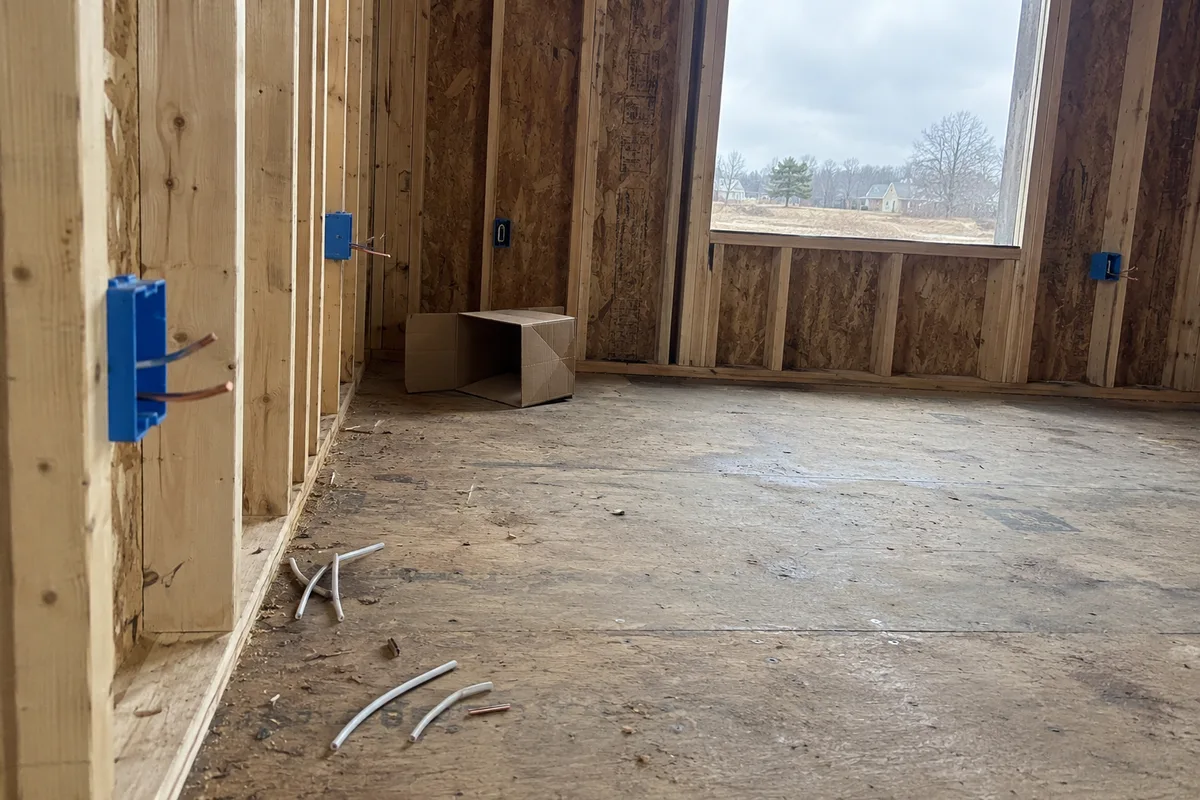
An unfinished job with pulled wire and staged spools is an easy target. Thieves can strip a day of rough-in in minutes.
Do not stage full spools overnight on an open site. Bring the wire close to the day you will pull it. Store spools and boxed material in a locked gang box or the truck.
When the schedule allows, time the pull close to inspection and drywall. That keeps wire from sitting exposed for weeks.
Take dated photos of installed rough-in at the end of each day. Coordinate with the general contractor or owner about site lighting, fencing, and cameras. Those measures are part of the site plan, not just a response after a theft.
Ask your broker about coverage before you need it. Ask whether your policy covers materials stored on a job site before installation. Ask whether it covers installed but not yet accepted work. Ask whether the general contractor’s or owner’s builder’s risk policy covers those materials or that work instead.
Do not assume the answer. Get the answer before wire is delivered or installed.
For EV charger bookings, collect the equipment details and contact information before dispatching by using these EV charger intake questions. For emergency escalation details, point your team to Wirewoman’s emergency process.
Put this theft response in place this week
- Add “wires cut,” “wires hanging,” and “exposed wire” to your Wirewoman ring-now list.
- Make the two safety questions mandatory: “Is anything exposed, sparking, or smoking?” and “Has it been reported to police?”
- Tell callers to keep people and pets away, touch nothing, and call 911 or the utility for sparking, smoke, burning smell, or a wire down near a walkway.
- Require the police report number and before photos on every theft-damage work order.
- Stop leaving full spools overnight on open sites. Lock material in a gang box or truck.
- Ask your broker about stored materials and installed, unaccepted work before the next job starts.