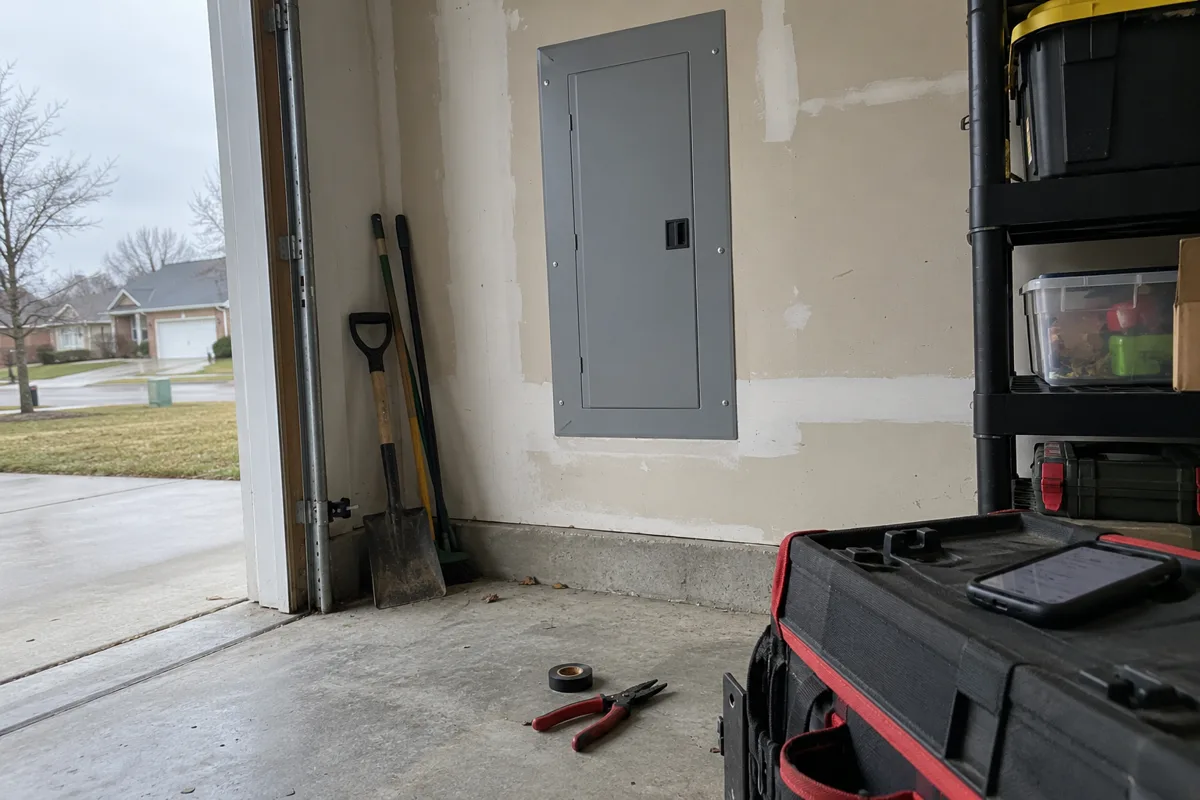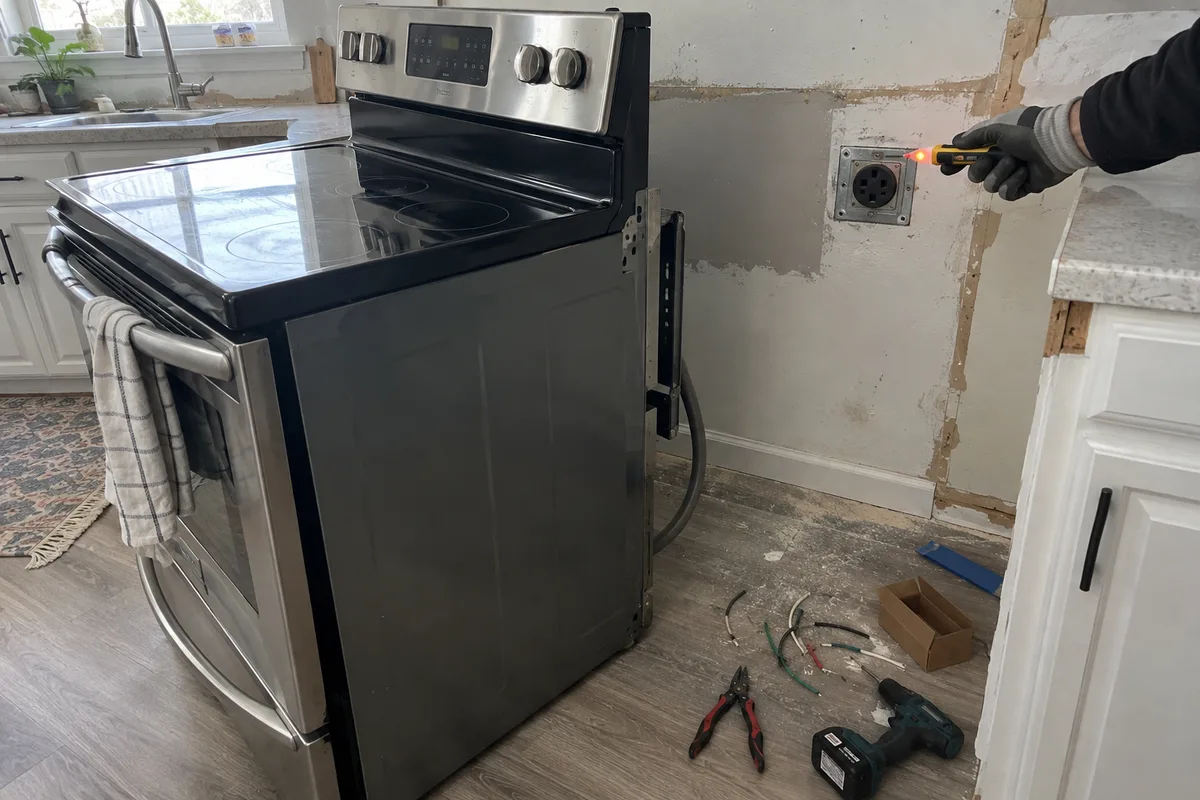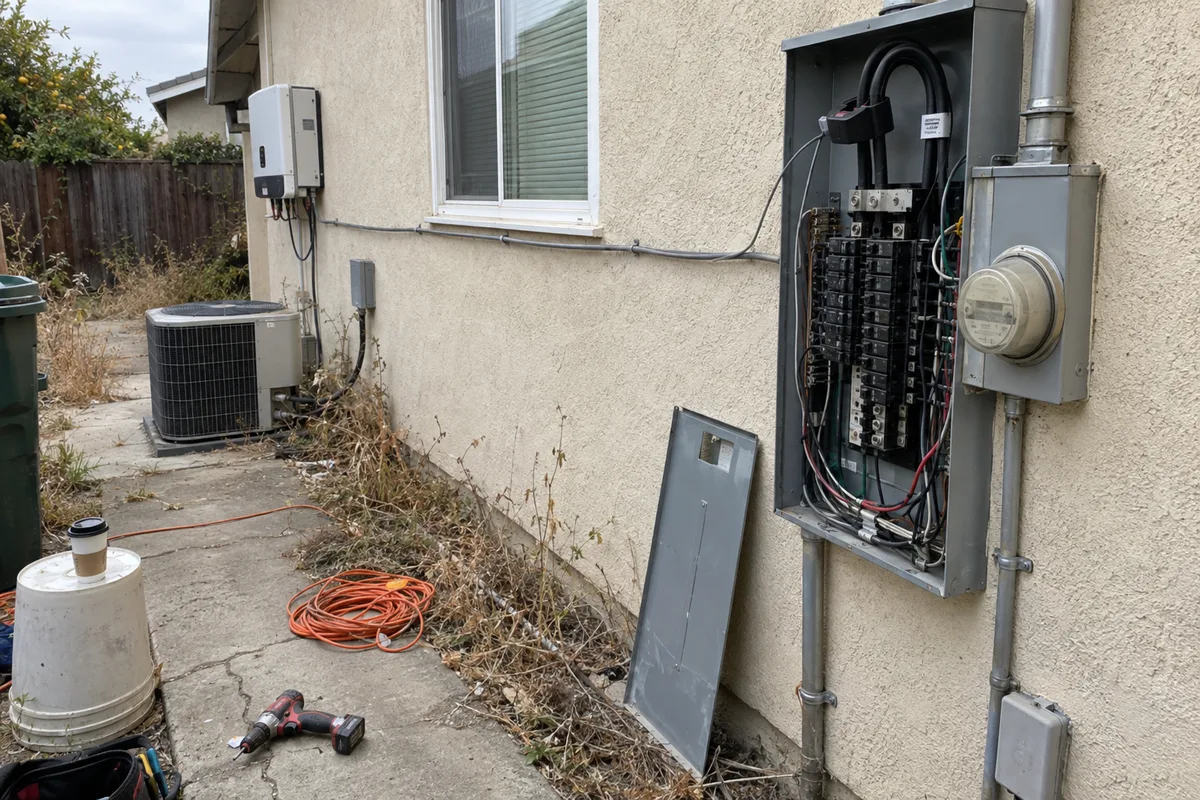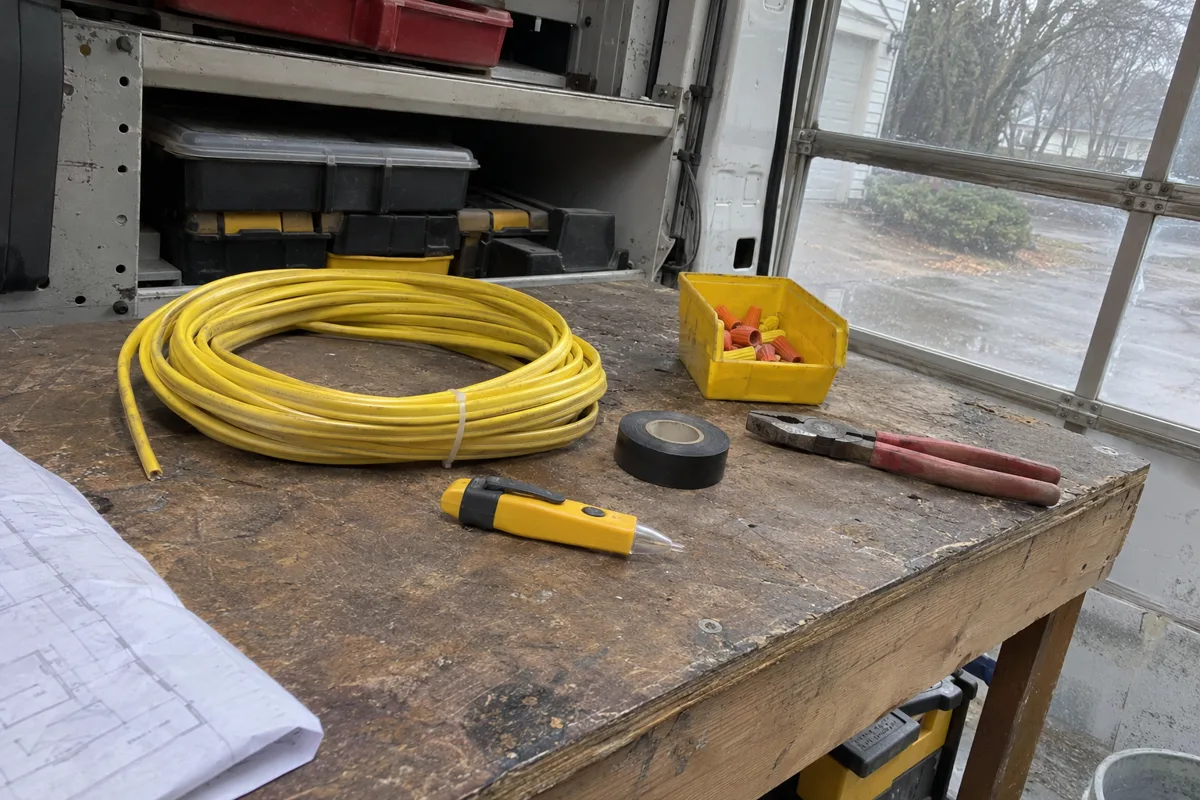
TL;DR: Yes. Every California employer needs a written Injury and Illness Prevention Program, including a one-person electrical shop. Employers with fewer than 10 employees get limited paperwork relief, not an exemption from the program.
California requires every employer to have a written IIPP
California Code of Regulations, Title 8, section 3203(a), says every employer shall establish, implement and maintain an effective Injury and Illness Prevention Program. It must be in writing.
There is no size exemption from having the program. A small electrical shop still needs one. A missing written program is a citable condition on its own.
Section 3203 has been in force since July 1, 1991. The most recent amendment to the employee-access rules became operative July 1, 2020.
The small-employer rules change some recordkeeping duties. They do not remove the duty to create, use and maintain the IIPP.
Your IIPP has eight specific jobs
The rule does not ask for a document that sits in a folder and never changes. It asks for a working system with eight parts.
-
Name the person responsible.
Your program must identify who is responsible for managing it. Put the person’s name and role in the document.
-
Set up a system for safe practices.
The IIPP must explain how you make sure employees follow the shop’s safety rules. That can include how supervisors give instructions, check work and respond when a safe practice is not followed.
-
Communicate with employees.
Employees need a way to report safety concerns and receive information about hazards. Shops with fewer than 10 employees may communicate with and instruct employees orally under section 3203(a)(3).
-
Identify hazards through inspections.
The program must include scheduled, periodic inspections. Inspections are also required when the program is first established, when new substances, processes, procedures or equipment are introduced, and whenever you become aware of a new or previously unrecognized hazard.
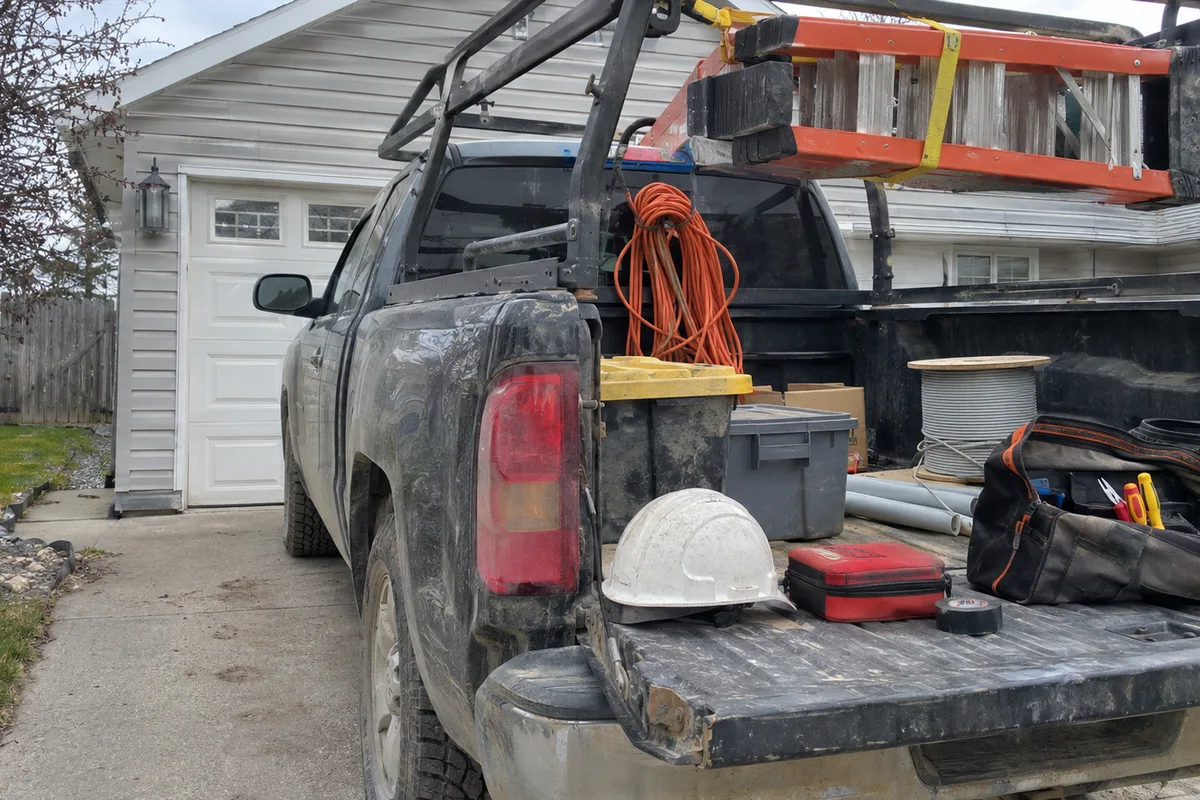
For an electrical shop, your own inspection list might include a truck and tool check, a job-site walk at the start of work, the panel and energized-work setup under the shop’s rules, ladders, cords and extension leads. These are examples for building your list. The rule does not give you this exact list.
-
Investigate occupational injuries and illnesses.
Your program needs a procedure for finding out what happened after an occupational injury or illness. Write down who investigates, what gets recorded and where the record goes.
-
Correct hazards based on their severity.
The rule requires hazards to be corrected in a timely manner based on the severity of the hazard.
If an imminent hazard cannot be fixed right away, non-essential people must be removed from the area until it is fixed. That is a direct action requirement, not a note for later.
-
Train employees.
Your IIPP must cover training. The training should address the hazards connected to the employee’s work and any new duties assigned.
-
Give employees access to the program.
Employees must have access to the IIPP. If an employee requests a printed copy, you must provide it no later than five business days after the request.
Fewer than 10 employees changes the records, not the duty
A shop with fewer than 10 employees gets three specific forms of relief under section 3203.
First, you may communicate with and instruct employees orally.
Second, you may keep inspection records only until the hazard is corrected. The general rule is at least one year.
Third, you can substantially comply with training documentation by keeping a log of instructions about hazards unique to each employee’s job. The log covers instructions given at hire or when the employee receives new duties. The general rule for training records is at least one year.
There is another rule for licensed contractors. Note 2 to section 3203(b) says contractors licensed under the Contractors State License Law may keep records for hazards specific to the employee’s job duties. They may also use records from a Division-approved training program.
That does not mean you can skip the IIPP. It means the paperwork can be narrower when the shop qualifies.
The workplace violence prevention exemption for small shops also depends on compliance with section 3203. If you do not have the required IIPP, you do not have that exemption. See the related guide on the California workplace violence plan for electrical contractors.
Construction employers also need a written Code of Safe Practices
Section 1509 adds construction requirements.
Every construction employer must establish, implement and maintain an effective IIPP in accordance with section 3203. The construction employer must also adopt a written Code of Safe Practices that relates to the employer’s operations and contains language equivalent to the relevant parts of Plate A-3 in the appendix.
The Code of Safe Practices must be posted in a conspicuous location at each job-site office. Instead of posting it, you may give a copy to each supervisory employee who keeps it readily available.
That posting rule applies to the Code of Safe Practices. Section 1509 does not itself require a copy of the IIPP to be posted at the job site.
Section 1509 also requires periodic meetings of supervisory employees. Tailgate meetings must occur at least every 10 working days.
Your Code of Safe Practices should match how your shop actually works. It is not the same document as the IIPP. The IIPP explains your safety system. The Code of Safe Practices sets out the safe practices that relate to your construction operations.
For related Title 8 requirements, review the guides on Cal/OSHA penalties for California electrical contractors, the first-aid kit rule for electricians and energized electrical work under Title 8, Article 3.
Your existing call records can point to known hazards
Wirewoman’s intake asks who is on site and whether anything is energized, damaged or smoking. The owner receives an SMS job summary within 30 seconds with those answers.
That gives you a written note of a known hazard before you arrive. The note can be dated and used as the starting point for an inspection and hazard-correction log.
This matters because section 3203 requires inspections when the employer becomes aware of a new or previously unrecognized hazard. If the intake record says a panel is sparking or something is smoking, your process should show what happened next.
Wirewoman answers 24/7, logs every call to a dashboard and routes urgent calls under the shop’s own escalation rules. A call about a burning smell or a sparking panel reaches a person with the details attached.
That does not write your IIPP or provide compliance. It gives your shop a record that can fit into the reporting and hazard-response process you create.
Write the skeleton of the program this week
Start with a short working document. The skeleton should identify:
-
Who is responsible for the IIPP.
-
How employees report hazards, injuries and illnesses.
-
How you inspect trucks, tools and job sites.
-
How you investigate an injury or illness.
-
How you rank and correct hazards.
-
How you train employees at hire and when duties change.
-
How employees can request and receive the program.
-
Where the Code of Safe Practices is posted or who keeps it available.
Then do five things this week:
-
Write down the responsible person and the reporting process.
-
Create the shop’s inspection list and set a periodic inspection schedule.
-
Add a hazard log with the date, hazard, correction and person responsible.
-
Create a training log for instructions given at hire or when duties change.
-
Adopt and post the written Code of Safe Practices, then calendar tailgate meetings at least every 10 working days.
If you use independent helpers or 1099 workers, review the separate rules covered in the guide on SB 1444 and misclassification of electrical helpers.
This is not legal advice. If your program is missing, write the IIPP and Code of Safe Practices now, name the person who will run them, and start recording inspections and corrections this week.