TL;DR: Ask every customer for an honest Google review when the job is complete and they have just said thanks. Use a direct Google link or QR code, never pay for five stars, and reply to bad reviews once, calmly, without sharing private information.
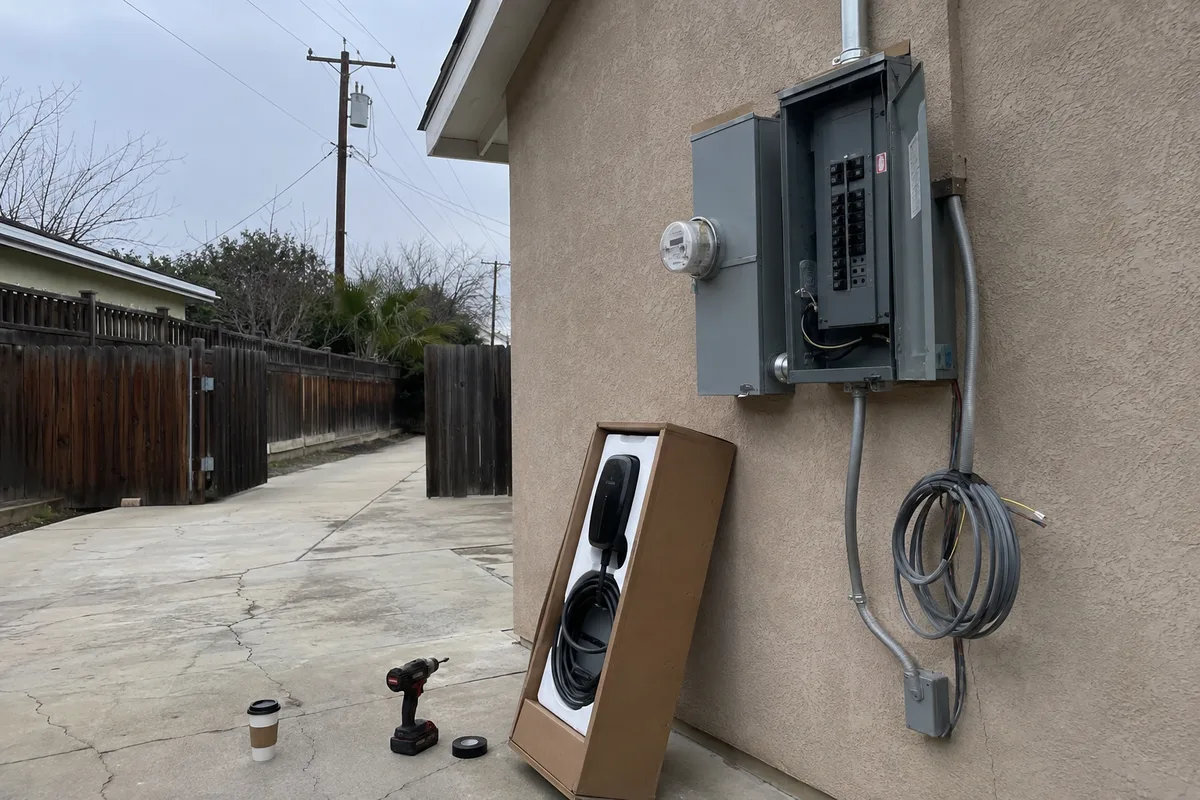
Ask for the review when the panel is back on, the lights work, or the EV charger is live. That is when the customer knows the job is done and is most likely to give you a useful answer.
Ask when the customer says the job is done right
Do not wait until the end of the week. Do not leave a stack of review requests on your desk.
Ask right after the customer sees the result. If they say thanks, that is your opening. Send the Google review link that same afternoon while the work is still fresh.
Google lets you ask customers to leave a review by sharing a direct link or a QR code. Google has a separate help article showing how to create that link or QR code from your Business Profile.
Ask every customer, not only the ones who seemed pleased. Sending the link only to happy customers creates a selection problem. The FTC rule targets incentives tied to positive sentiment, and a process that filters for praise can raise the same concern.
Your call log can make this follow-up easy. Wirewoman logs every call to the shop’s dashboard with the caller’s number, and the job summary arrives by SMS within 30 seconds of the call. You already have a clean record of who called about which job. That lets you text the right customer a review link that afternoon instead of digging through voicemails.
Wirewoman does not send the review request. Your shop sends it. The call record simply gives you the information to follow up with the right person.
Send two plain sentences and one link
The message does not need a sales pitch. It needs a clear request.
Thanks for trusting us with the electrical work today. Please leave an honest Google review about the job: [Google review link]
That is enough. Ask for an honest review of the work, not a five star review. Do not tell the customer what rating to choose. Do not make the message sound like an advertisement.
A direct link gives the customer one tap to the review page. A QR code on the invoice gives them a second chance if they are looking at the paperwork later. You can use both. Put the QR code where the customer will see it, alongside the invoice details.
See what goes on an electrician invoice in California for the invoice side of that process.
The request should be easy to recognize as coming from your shop. Use the customer’s name when it fits your normal communication. Keep the wording consistent, but do not make every follow-up feel copied and mechanical.
Google bans payment for a better review
Google treats reviews as fake or misleading content when they do not reflect a genuine customer experience. Google recommends a mix of positive and negative feedback.
That means you cannot offer free or discounted goods or services in exchange for a review. You also cannot offer something in exchange for changing a review or removing a negative one.
Do not send this:
Leave us five stars and get $25 off your next call.
Do not send a softer version of the same deal:
If you are happy with the work, we can give you a discount for posting a review.
The problem is the exchange. The customer is being offered something for posting a review or expressing a particular result.
The FTC’s Consumer Reviews and Testimonials Rule went into effect October 21, 2024. The FTC rule does not ban incentives by themselves. It allows them when there is no express or implied requirement that the review express a particular sentiment.
In practice, you cannot reward only the positive reviews. You cannot pay for praise while leaving neutral and negative customers out of the process.
These are the two rulebooks that apply. This is not legal advice. The practical rule is direct: ask for an honest review from every customer, and do not tie the request to a star count, positive wording, or removal of criticism.
The FTC says organizing reviews is not suppression. You can have a review process. You can send the same honest request to customers after completed jobs. You cannot use threats or intimidation to make someone remove or change a negative review.
The rule authorizes courts to impose civil penalties for knowing violations. Take the request seriously. A casual text can still create a record of what your shop offered and what it expected in return.
A bad review needs one calm reply
Google says replies should be professional, polite, short, simple, and timely. Reply where you can add a helpful update or answer a question. Do not turn the reply into an advertisement.
For a negative review, apologize when appropriate. Use the reviewer’s name when available. Do not share private information about the customer, the property, the job, or the dispute.
A useful reply can look like this:
Hi, [Name]. I am sorry the job did not meet your expectations. Please call the shop and ask for us so we can review what happened and work toward a fix.
Keep the public reply short. Offer to continue by phone. Take the details offline.
Do not argue line by line in public. Do not accuse the customer of lying. Do not mention information the reviewer did not publish. Do not ask the customer to delete the review before you address the problem.
Reply once, calmly, and give the customer a direct way to reach the shop. If the complaint involves a warranty issue, use the process described in warranty callback calls for electricians.
Reply to every review within a day or two. You do not need to write a long paragraph every time. Google specifically advises against sending the same thank-you to everyone. Use the reply to answer a question, acknowledge the work, or provide a helpful update.
A short reply that sounds human is better than a polished paragraph that says nothing.
Reviews only matter if the phone gets answered
Reviews bring in calls. Calls are only worth something if someone answers.
Wirewoman answers 24/7 and books jobs straight onto the shop’s calendar. A customer who finds your shop through a Google review at 9 p.m. still reaches someone and gets a booked slot instead of voicemail.
That is the practical connection. Reviews raise the number of people who call. Answering is what turns that attention into jobs.
If you are measuring missed opportunities, read what a missed call costs a California electrician. If you pay for lead sources, see how Google Local Services Ads charge electricians.
Set the process today. Ask every completed-job customer for an honest review. Send the link the same afternoon. Put the QR code on the invoice. Reply to reviews within a day or two. For a bad review, stay calm, protect private information, and move the repair conversation to the phone. Then make sure the phone is answered when the next customer calls.