TL;DR: Commercial auto usually covers the van, not the tools inside it. Ask your broker whether tools stolen from a locked van are covered, then create a tool inventory this week.
Commercial auto usually covers the van, not the tools inside it
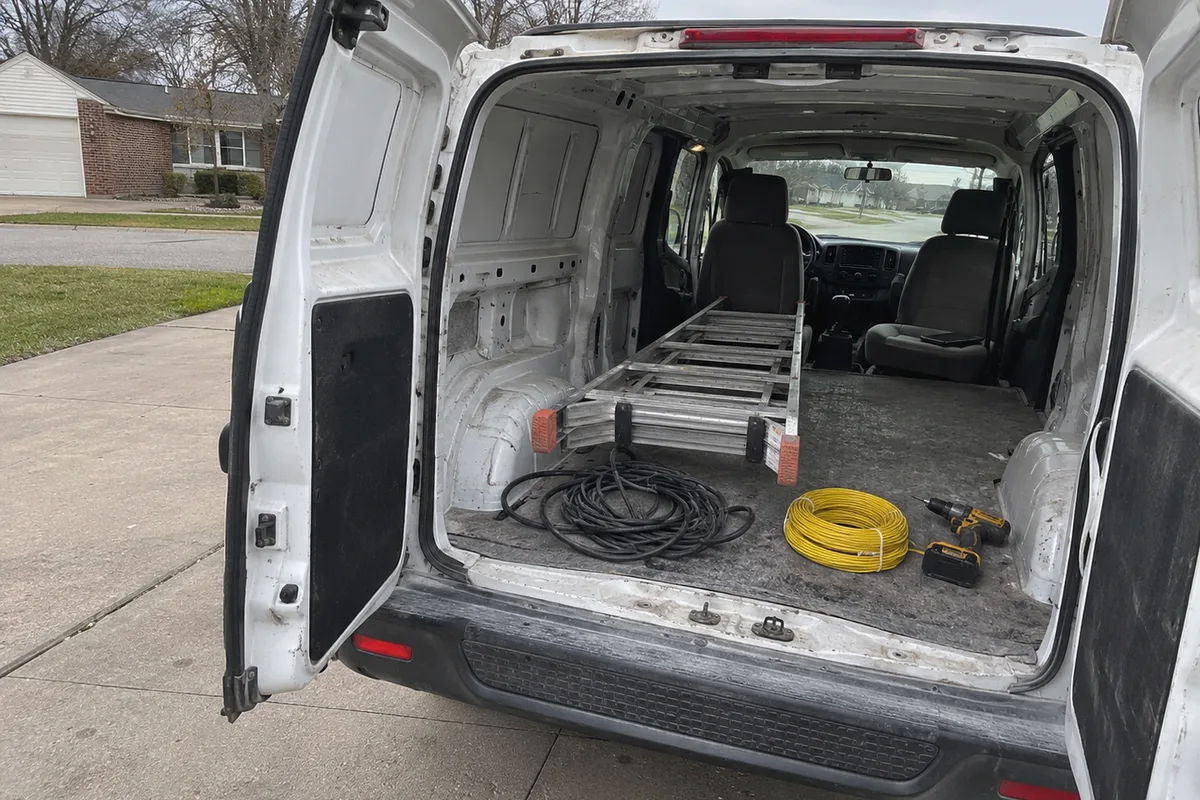
Commercial auto usually covers the vehicle itself. It usually does not cover the drills, meters, pullers, ladders, or diagnostic equipment inside it.
GEICO describes commercial auto as “vehicle only.” Tools and equipment need separate coverage, also called inland marine. Wexford calls the belief that commercial auto covers tools inside a vehicle a common misconception. In many cases, it does not.
Read your own policy. Coverage depends on the actual policy language, endorsements, limits, deductibles, and exclusions. Ask your broker one direct question:
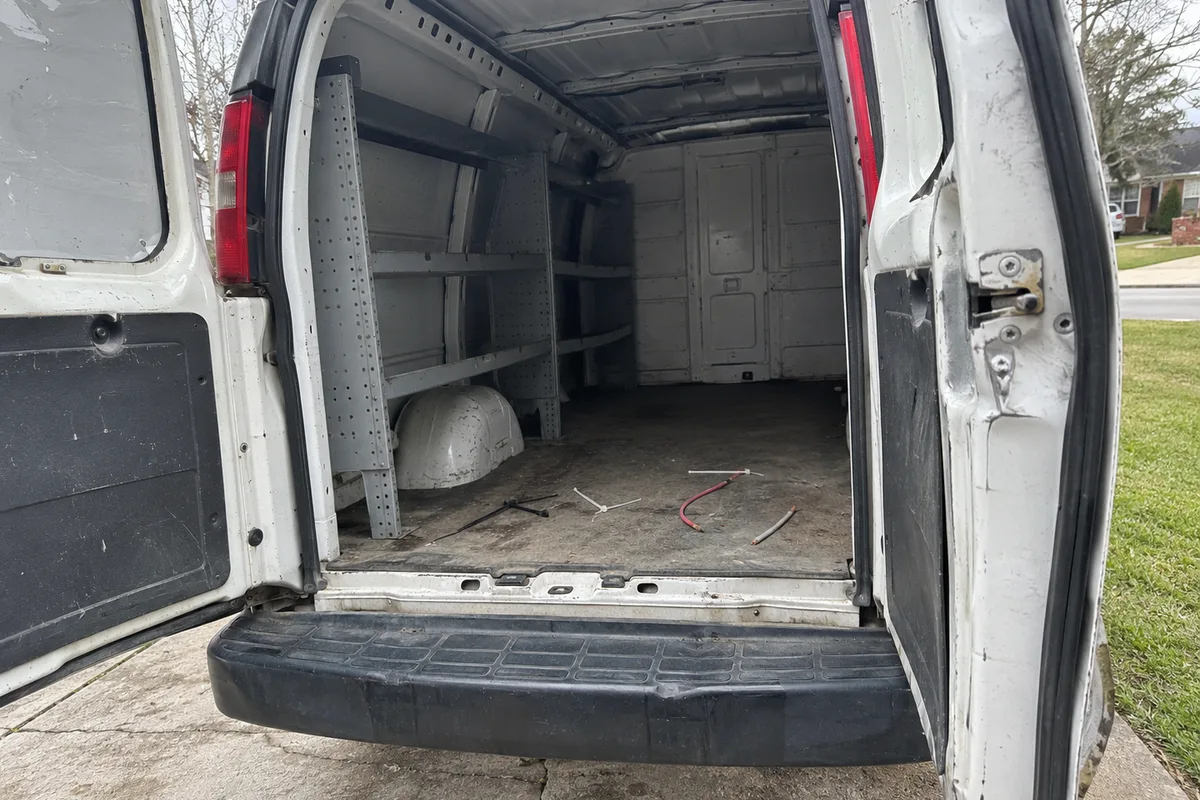
If someone breaks into the van tonight, what gets paid?
Do not accept a general answer about the van being insured. Ask about the contents.
Your insurance policy and your contractor license do different jobs. The license tells you what work you may perform. The policy tells you what losses the carrier may pay. The difference is covered in this guide to electrician insurance, small business coverage, and license requirements.
A BOP may follow the address, while inland marine follows the tools
Commercial property coverage and a business owner’s policy are tied to the listed business address. GEICO compares commercial property coverage as property at the listed address.
A van is not your listed address. Neither is a customer’s building, a temporary jobsite, or a trailer parked somewhere else overnight.
GEICO describes inland marine differently. It covers property anywhere or in transit. For a contractor, that is the point. The tools move from the shop to the van, from the van to the jobsite, and back again.
Inland marine is also sold under names such as contractor’s tools and equipment coverage or a contractor’s equipment floater. Those names describe the same type of problem: business equipment that does not stay in one building.
The coverage typically lists equipment such as:
- Power tools
- Hand tools
- Testing and diagnostic equipment
- Cable pullers
- Ladders
- Temporary jobsite equipment
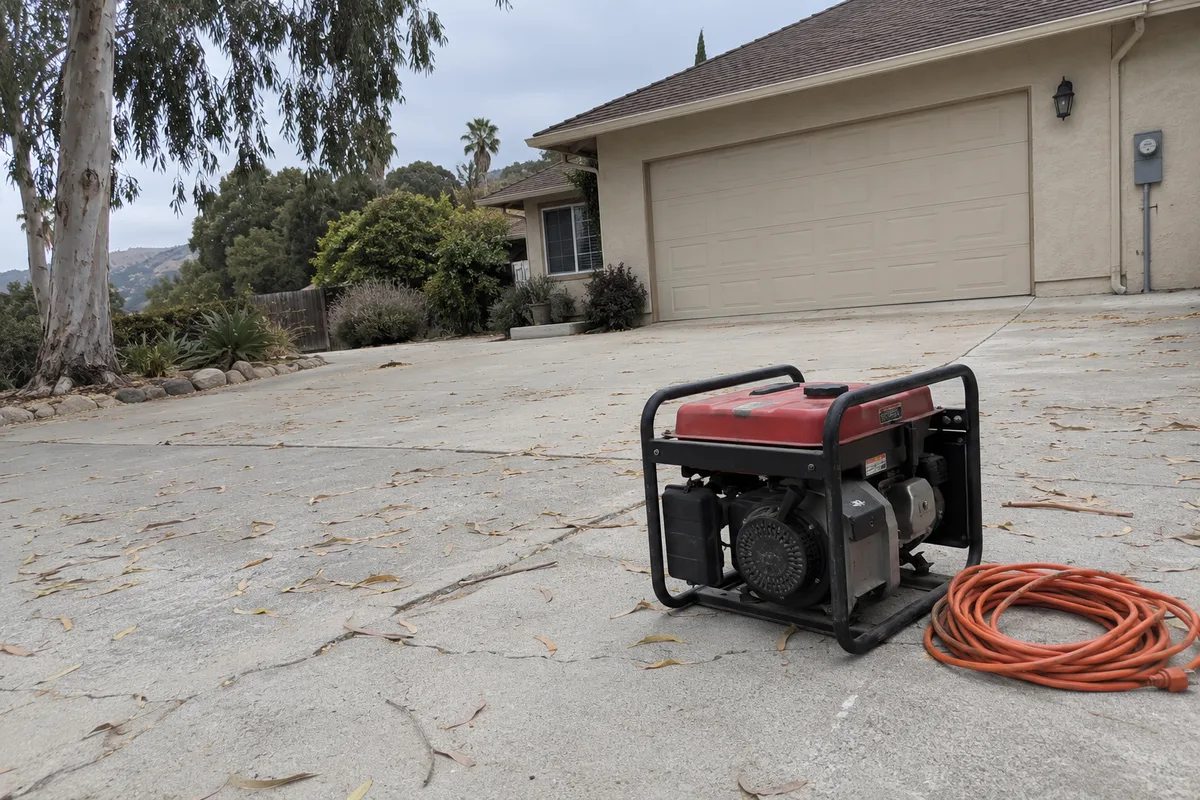
- Portable generators
The listed perils typically include theft and loss or damage in transit. Your policy may use different language. Ask the broker to show you where those perils appear.
The tool coverage may be an endorsement or a separate floater
GEICO says an endorsement on a BOP should work for tool values under $25,000. Above that amount, or for heavy machinery, GEICO points to a separate contractor’s equipment floater.
“Should work” is not the same as a promise that your policy covers every tool. The amount, equipment type, deductible, valuation method, and security requirements still matter.
Ask whether your tools are covered under a BOP endorsement or under a separate floater. Then ask whether the coverage is scheduled or blanket.
Scheduled coverage lists specific equipment. Blanket coverage applies to a broader group of tools, subject to the policy limit and other terms. Your broker can tell you which structure your policy uses and whether it fits the way your shop actually operates.
GEICO says a separate contractor’s equipment floater ensures replacement cost coverage. Ask the broker exactly what the policy pays. Do not assume it pays replacement cost.
Ask whether the policy pays:
- Replacement cost
- Actual cash value
- Another valuation amount stated in the policy
Neither source explains replacement cost and actual cash value in detail. Your broker needs to explain the difference for your tools and equipment.
A locked van may still have coverage questions
Do not assume that a locked vehicle automatically satisfies every policy condition. Do not assume the opposite either.
Wexford says coverage may be reduced or excluded if the policy’s security requirements are not met. It also lists several questions that can change the answer:
- Does coverage extend to tools inside locked vehicles?
- Are tools covered when stored in the van overnight?
- Are tools covered during temporary jobsite storage?
- Are tools in trailers covered?
- Are tools controlled by employees covered?
- What security requirements apply?
- What deductible applies?
- Is there a per-item limit?
- Does the policy use replacement cost or actual cash value?
- Are tools covered under a scheduled list or a blanket limit?
Ask these questions before a loss. After a break-in, you will have enough to handle.
Wexford also lists exclusions that may apply, including wear and tear, employee dishonesty, unsecured property, and improper vehicle use. Employee dishonesty may require separate coverage. Ask the broker whether any of those exclusions apply to your operation.
The same question applies to tools that do not belong to the shop. Decide who owns what. A drill owned by the company is different from a meter brought by an employee or helper. Ask specifically about employee-controlled equipment.
Materials waiting in the van may need installation floater coverage
Tools are not the only property in a service van.
An electrical contractor may also carry panels, gear, or other materials bought for a job but not installed yet. Those materials are not the same as the tools used to install them.
Wexford separately describes installation floater coverage for materials purchased but not yet installed. Ask whether that coverage applies to materials sitting in the van while waiting for a job.
Use a specific example when you call the broker. Ask:
If panels and gear bought for a scheduled job are stolen from the van before installation, what coverage responds?
Then ask about the same materials while they are stored temporarily at the jobsite. The answer may depend on the policy and the storage conditions.
Your van stock creates the same operational problem from another direction. A theft can force extra supply-house trips, missed appointments, and a crew waiting for materials. Review your stock practices in this article about service van stock and return trips.
Write the inventory before there is a claim
Prepare the inventory now. Do it while every tool is still in front of you.
Photograph each tool kit. Record the make and model. Record the serial number where the tool has one. Keep the inventory somewhere that is not the van.
Include the equipment that your shop owns, not just the expensive power tools. Add meters, testers, cable pullers, ladders, generators, hand tools, and temporary jobsite equipment. Record the materials in the van separately from the tools.
The inventory is your preparation for the claim. It gives you a record of what existed before the loss and helps you identify what is missing.
Wexford recommends preparing tool inventories and equipment schedules when getting a quote. Bring the inventory to the broker. Ask whether each item belongs on a scheduled list, under a blanket limit, or under another part of the policy.
Do not wait until after the break-in to remember what was in the van. A small electrical shop can carry a large amount of equipment across several vehicles and jobsites. Write it down while the information is available.
The first hour after a break-in affects the rest of the day
The hardest part of a van theft is not the insurance call. It is the same morning.
The crew has no meters, no pullers, and no drills. The booked jobs for the next days still say “go.”
Start with the police report. Then photograph the scene. Call the broker. After that, rebuild the day’s schedule.
Wirewoman answers calls 24/7, books jobs to the shop’s calendar, sends the owner a job summary by SMS within 30 seconds of each call, and logs every call to a dashboard. That means the phones keep getting answered while the owner is at the police station. The owner can move booked jobs around from the summaries.
On the dashboard, the owner can see each call with the caller’s address and job summary. That makes it possible to identify which booked jobs need the stolen tools and which can still run.
The same problem appears when theft happens at a jobsite. Review this piece on copper wire theft affecting electricians, then ask whether your policy covers materials and equipment at temporary locations.
Ask these questions before you renew or buy coverage
Pull out the commercial auto policy this week. Read what it says about contents. Then call the broker with the inventory in front of you.
Ask whether tools in a locked van are covered. Ask about overnight storage, temporary jobsite storage, trailers, employee-controlled equipment, security requirements, deductibles, per-item limits, valuation, and scheduled versus blanket coverage.
Ask whether a BOP endorsement fits the value of your tools. If the value is above $25,000 or includes heavy machinery, ask whether a separate contractor’s equipment floater is appropriate.
Ask about installation floater coverage for panels and gear waiting for installation.
Write down the answers. Put the policy name, limits, deductible, valuation method, and covered locations with the inventory. Keep that record somewhere other than the van.
The van itself is also a business asset, with its own operating and recordkeeping issues. Keep those records separate from the tool inventory, as discussed in this guide to electrician truck mileage deductions for 2026.
Change the policy questions you ask this week
Do not ask only whether the van is insured. Ask what happens to every tool and material inside it if someone breaks in tonight.
Create the inventory. Photograph the equipment. Record serial numbers. Separate shop-owned tools from employee-owned tools. Ask about inland marine, contractor’s tools and equipment coverage, contractor’s equipment floaters, and installation floaters.
Then write the broker’s answers beside each category. If the crew goes down, use the inventory and the dashboard to decide which jobs can run and which need to move. Keep calls handled while you rebuild the schedule, as covered in this after-hours call policy for electrical shops.