TL;DR: A slow season electrical business should fill open winter dates with panel and EV work, not tax-credit promises or lower prices. California EV charger permits for 1 to 25 chargers are deemed complete after 5 business days and deemed approved 20 business days later if the city does not act.
A slow season electrical business has a scheduling problem, not always a demand problem. December holidays and January can go quiet for scheduled work while storm calls, heater calls, and holiday-lighting calls still come in. The work customers postpone is the work you can plan: panel upgrades and EV charger installations.
That gives you a clear winter move. Call the customers who already mentioned a full panel, an EV charger, a hot tub, a heat pump, or an ADU. Offer them a firm date while your calendar has room.
Do not wait for the phone to produce those jobs on its own.
Slow season electrical business: it is a scheduling problem
Service calls can keep coming in winter and still leave your scheduled calendar thin. A storm call may take priority today, then disappear from the schedule tomorrow. A panel upgrade or EV charger installation is different. You can inspect the job, answer the permit questions, order what is needed, and put the work on a specific date.
Your existing winter demand may be real without solving the scheduled-work problem. The issue is not that every electrical shop has the same seasonal pattern. The issue is that the jobs customers can postpone are the jobs you need to ask for directly.
Use the open calendar as the reason to call.
“We have an opening next week if you still want to handle that panel upgrade” is a real offer. It gives the customer a date. It gives you a job that can sit on the schedule instead of waiting behind emergency calls.
Stop selling winter work on a tax credit
Federal energy credits are not a sales point for new winter panel and EV work.
Section 25C ended for property placed in service after December 31, 2025. Section 25D ended for expenditures after December 31, 2025. Section 30C, the EV charger credit worth 30 percent up to $1,000 per item, ended for property placed in service after June 30, 2026. These changes came from Public Law 119-21, signed July 4, 2025. The details are covered in Federal Energy Tax Credits Expired for Electricians.
A standalone panel swap never qualified for the $600 panelboard item.
Remove the credit language from your proposals. Remove it from your phone scripts. Do not tell a homeowner that winter is the time to act because a federal credit is waiting. Sell the work on the actual job: the panel is full, the service is not suitable for the planned load, the customer wants an EV charger, or the project needs the electrical work completed.
That keeps your quote tied to the work you are actually selling.
Panel work often has to happen before the EV job
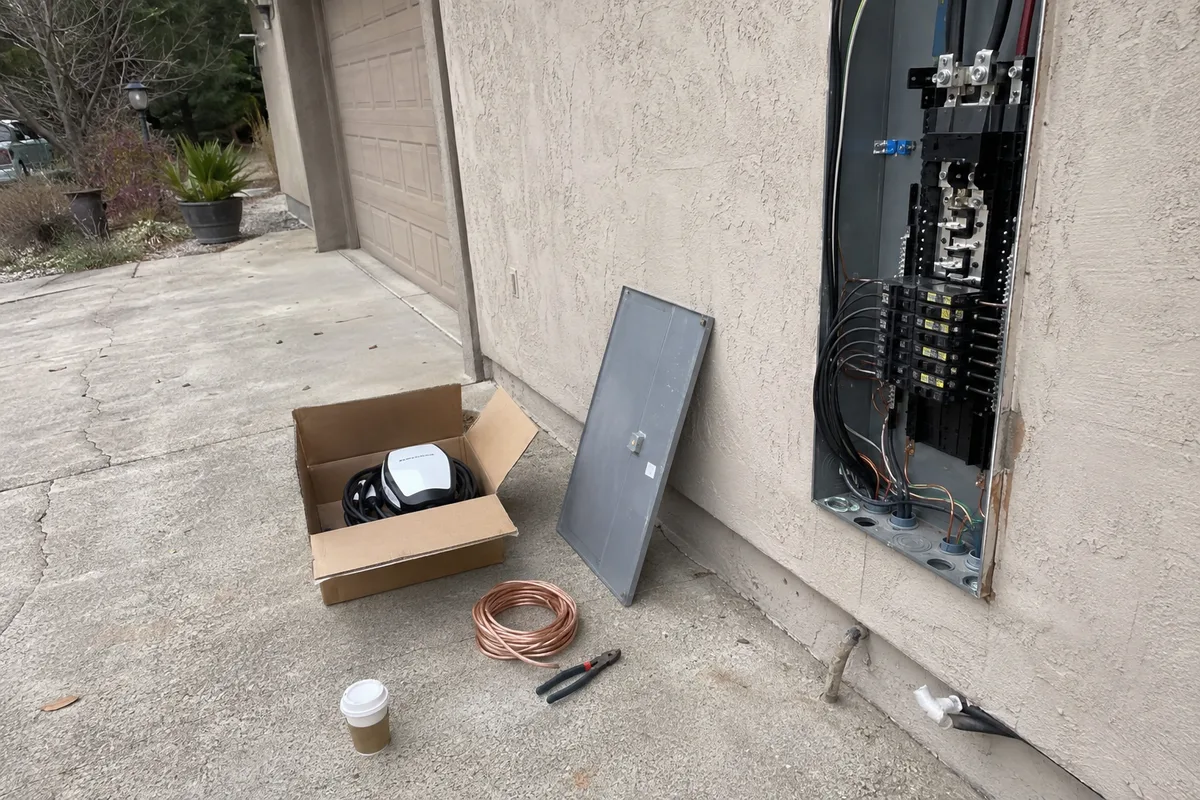
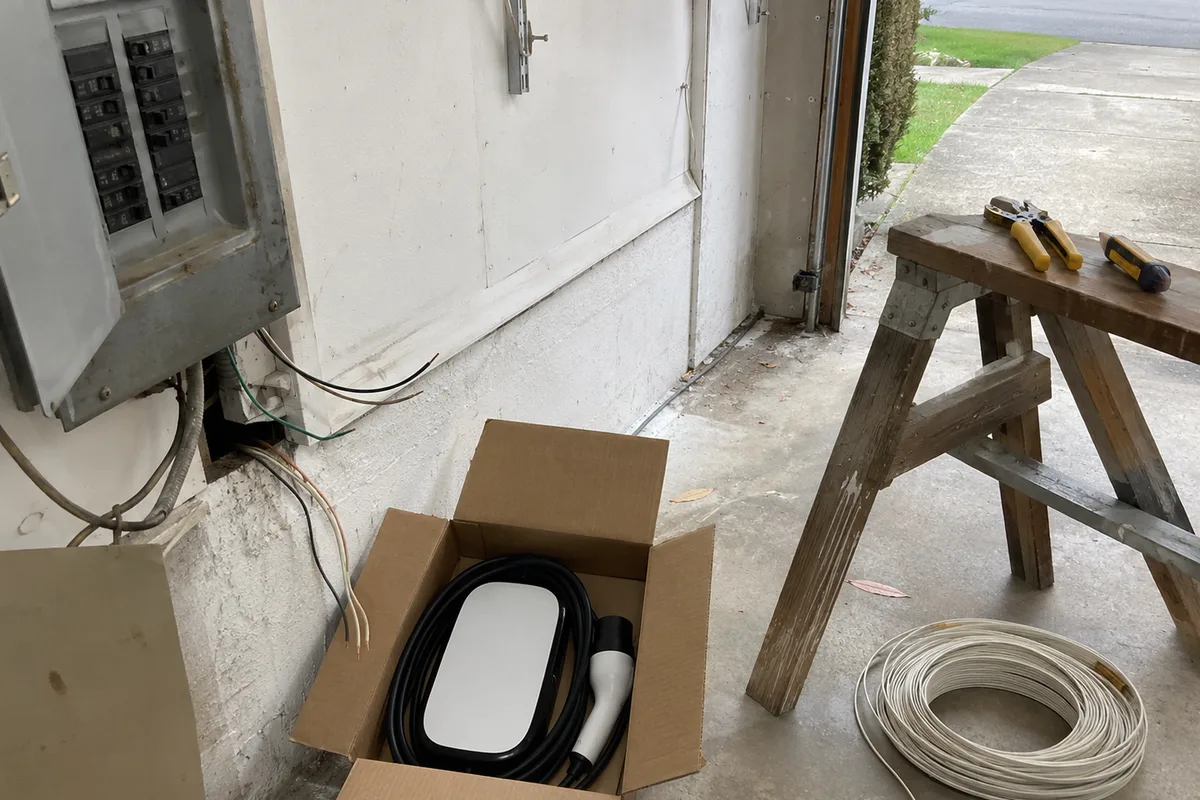
An EV charger call may be a panel upgrade call that has not been identified yet. The same thing happens with hot tubs, heat pumps, and ADUs. The customer asks for the new equipment. Your first task is finding out whether the existing panel can support it.
Start with the short list:
- What is the current panel amp rating?
- What brand is the panel?
- How old is it?
- What is driving the upgrade?
- How many free slots are available?
- Is the system single phase or three phase?
- Where will the charger go?
- How far is that location from the panel?
- Which vehicle or charger has the customer chosen?
The panel questions can expose the job that needs to happen first. The EV questions tell you whether the charger installation is a straightforward scheduled call or whether the panel, wiring path, or location changes the work. Use Panel Upgrade Calls: What to Ask Before You Book and EV Charger Install: What to Ask Before You Book as the intake reference for your office or phone answering process.
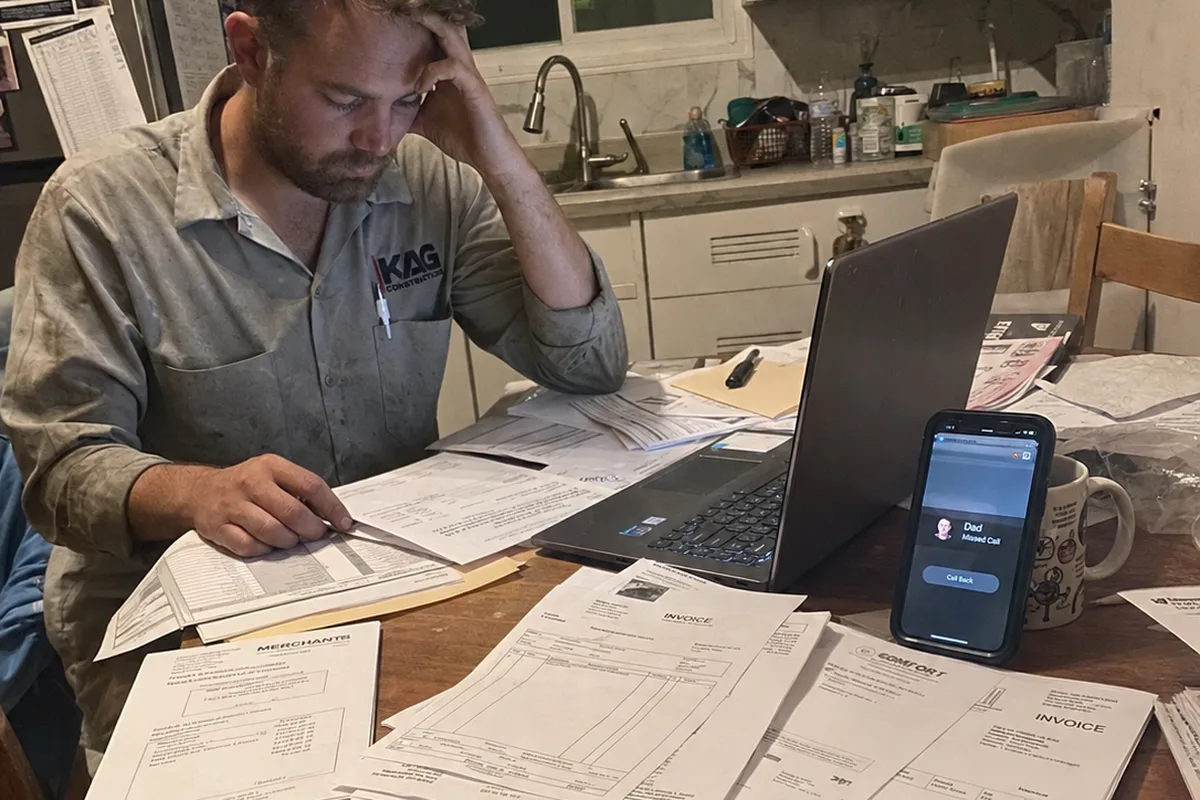
In a slow week, a missed call at 2 p.m. while you are inside a panel is not just another missed call. It is a scheduled-job lead that may go to the next shop. The call log should show which callers asked about panels or chargers so you can call back the ones you missed.
California gives 1 to 25 charger jobs a permit clock
For EV charger applications involving 1 to 25 chargers, California Government Code 65850.71 sets a statutory clock.
If the city has not acted, the application is deemed complete 5 business days after submission. It is deemed approved 20 business days after it is deemed complete.
That is the 1 to 25 charger tier. Say the number plainly when you plan the job.
This does not make every EV installation identical. It does make the permit timeline less open-ended for the covered applications. A short winter opening can absorb an EV job when you know the application date and the statutory dates that follow it. The permit rule is explained in California EV Charger Permit Shot Clock: Deemed Approved.
Most new single-family builds also require Title 24 EV-ready wiring. That means some EV work comes from code, not from a homeowner asking for a charger. The requirement is covered in Title 24 EV-Ready Wiring Requirements for 2026.
Check the project type during intake. A builder or homeowner may be asking for wiring that is required before anyone has selected a charger.
Call your own list before you buy leads
Your past customers already know your work. Start there.
Pull the names of customers who have an old panel, a full panel, or a previous conversation about an EV charger. Call the people who asked about a charger but did not schedule. Call the customers whose earlier project stopped because the panel needed work first.
The offer is simple. You have an opening, and you can offer a firm date.
Do not make the call a vague “just checking in.” Ask whether the project is still on their list. Ask whether the panel situation has changed. Ask what is driving the work now. If the customer is ready, use the same intake questions before putting the job on the calendar.
This is also where your missed-call log matters. A call that came in while you were on a ladder or inside a panel can become a callback list. The person who asked about an EV charger needs a different callback from the person reporting smoke or burning smell. How to Handle Price Shopper Calls covers the separate problem of callers who are only collecting numbers.
Your own list gives you a reason to call and a known service need. Use it before paying for new leads.
Hold the price and offer dates
Do not cut the price just because the calendar has open space.
A discount may fill one date and create a worse habit. It attracts price shoppers and teaches customers to wait for a lower number. Your winter offer should be a date, not a cheaper job.
Give the customer two scheduled options if you have them. Keep the same price you would charge for the work. If the customer is not ready, record the reason and keep the lead in a short list for later follow-up. The pricing principles are covered in How to Price Electrical Jobs Without Underbidding.
Also keep a short list of jobs waiting on the panel. A canceled panel or EV job should not leave a blank space that you discover at the end of the day. Call the next customer whose work is ready to schedule.
Set aside a fixed block of days each week for scheduled panel and EV work. Storm calls still need a response. They should not take over every scheduled slot.
Keep the phone covered while you are on a ladder
Your intake process has to work when you are driving, climbing, testing, or standing inside a panel.
Wirewoman answers 24/7, runs the panel and EV intake questions on the call, books the job to your calendar, texts the shop a job summary within 30 seconds of hang-up, and logs every call to a dashboard. A request for a panel or charger quote is booked as a normal service call. Sparking, smoke, burning smell, and full power loss are treated as emergencies that ring the owner’s cell.
That separation matters. The phone should not treat every caller the same. A normal scheduled-job lead needs the right questions and a date. An emergency needs the owner.
See how Wirewoman works or request a demo.
This week, remove expired tax-credit language from your proposals and scripts. Call past customers whose panels are old or full, plus anyone who mentioned an EV charger. Use the panel and EV intake questions before you book. Put 1 to 25 charger permits on the California statutory clock. Hold your price, offer firm dates, reserve weekly panel and EV slots, and keep a callback list for the calls you miss while your hands are on the work.