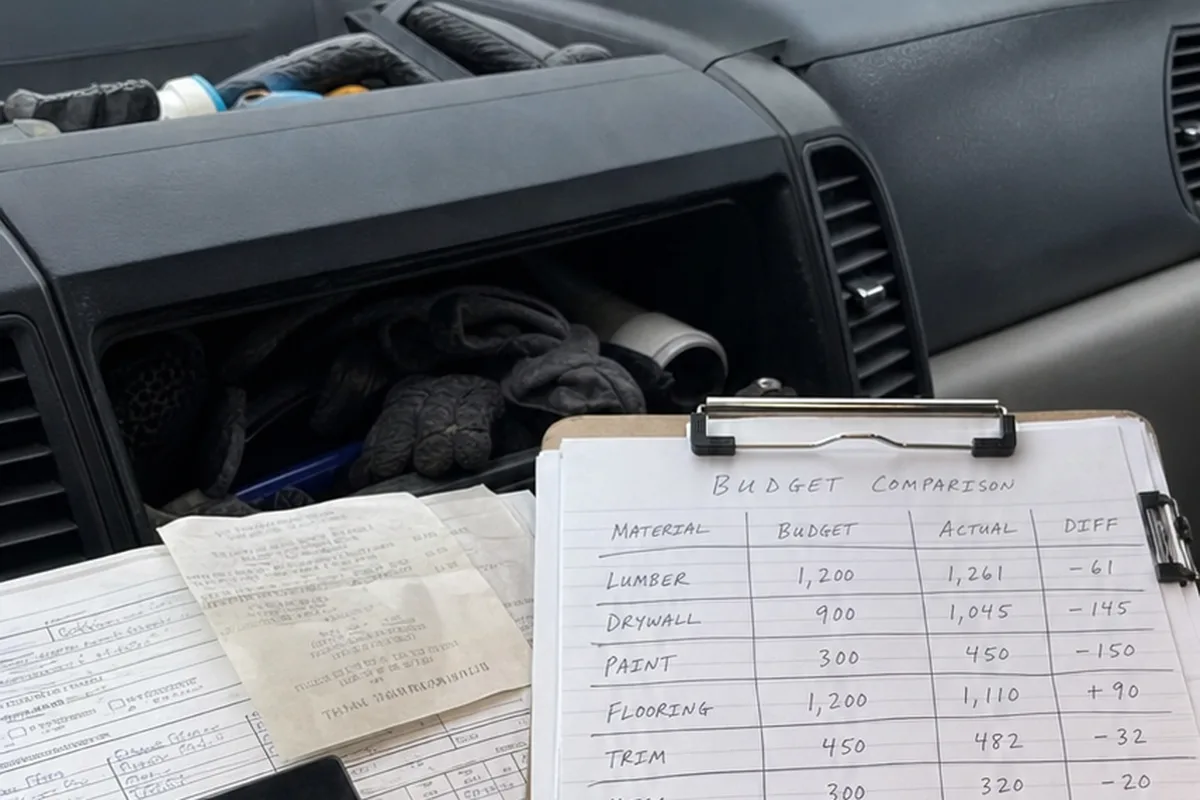
Most underpriced jobs don’t look underpriced on the invoice. Material cost is right there, labor hours are roughly right, and the number still doesn’t add up to a profit at the end of the month. The gap is almost always the same handful of costs that never made it into the quote in the first place.
Start with your true hourly cost, not your wage
If you pay yourself (or an employee) $40/hour, that is not what an hour actually costs the business. Add:
- Payroll burden: taxes, workers’ comp, any benefits. This typically adds 20-35% on top of wage.
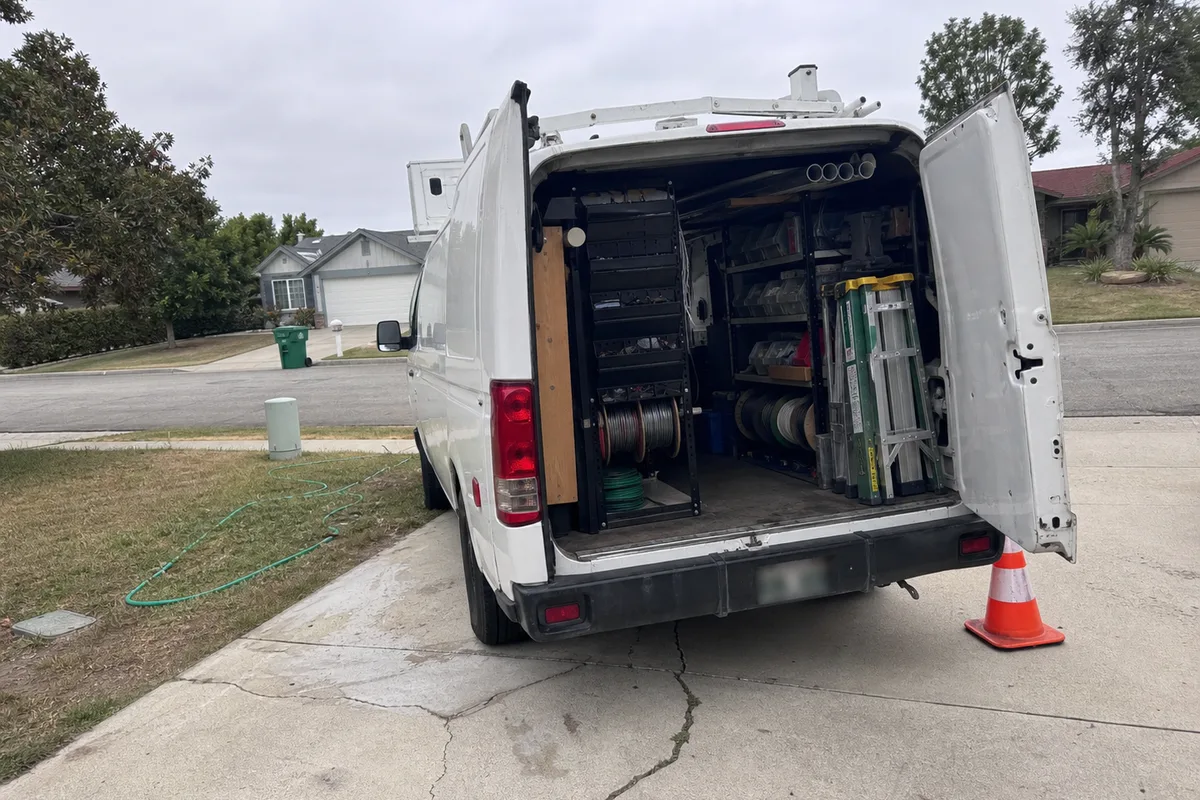
- Vehicle cost per billable hour: truck payment, fuel, insurance, maintenance, divided across the hours you’re actually on tools (not the whole workday).
- Tools and consumables: wear on drills, testers, ladders, plus the tape, wire nuts, and fasteners that never show up as a line item.
- Insurance and licensing: liability coverage, bonding, license renewal, amortized across the year.
- Non-billable time: driving between jobs, picking up material, paperwork, callbacks. If a third of your day isn’t billable, your billable hours have to cover the other third too.
Add those up and divide by your realistic billable hours per year. That number, not your wage, is your true hourly cost. Most electricians who run this math for the first time find it’s 40-60% higher than what they assumed.
Price the job, not just the parts
A quote built as “materials + hours × wage” almost always underbids, because it’s missing everything above plus profit. A more reliable structure:
- Materials at cost, plus markup. 15-30% markup on materials is standard in the trade — it isn’t padding, it’s what covers the time spent sourcing, driving to the supply house, and carrying material on a truck.
- Labor at true hourly cost, from the number you built above, not your wage.
- A contingency line for anything behind the wall. Older homes especially: aluminum wiring, undersized panels, non-standard box depths. Decide upfront whether you’re pricing for what you expect to find or padding for what you might find, and say which one you’re doing.
- Profit margin on top of all of it. Covered costs are not profit. If the number after steps 1-3 is your final price, you’ve priced the job to break even at best.
The three ways electricians underbid without noticing
- Estimating time optimistically. The panel swap that “usually takes three hours” takes three hours when everything goes right. Price the realistic time, not the best case.
- Forgetting the second trip. Permit pickups, inspections, punch-list items. If the job needs a follow-up visit, that visit has a cost even if you don’t invoice it separately.
- Matching a competitor’s number instead of building your own. A caller who says “the other guy quoted $X” is telling you what someone else’s cost structure supports, not yours. If your true hourly cost is higher, matching their price means working for less than you’re actually paying yourself.
Flat-rate vs. time-and-materials
Flat-rate pricing (a fixed number for a defined scope) protects you from a customer who wants to negotiate hourly time down, and it protects the customer from a job that runs long through no fault of theirs. It only works if the scope is genuinely knowable upfront, panel upgrades, EV charger installs, standard service calls.
Time-and-materials makes more sense when the scope can’t be pinned down before you open a wall, older properties, troubleshooting calls, anything where “why is this not working” is the actual job. Even then, give a not-to-exceed range. An open-ended T&M quote reads as risk to the customer, and it’s the number one reason estimates get compared against a flat-rate competitor and lose.
The number that actually matters
At the end of a job, the question isn’t “did I get paid for my time.” It’s “did the job’s revenue cover its true cost and still leave a margin.” Run a handful of recent jobs back through the true-hourly-cost math above. If several of them come out at breakeven or worse, the fix isn’t working faster. It’s pricing the next one correctly.