EV charger installs are one of the best-margin jobs on an electrician’s board right now, and in California the volume keeps climbing. But they’re also the job most likely to turn into a wasted trip if the intake is thin: you arrive, the panel’s maxed out, and now it’s a panel upgrade you didn’t quote.
Five questions on the phone prevent almost all of that.
1. What’s the panel size and how full is it?
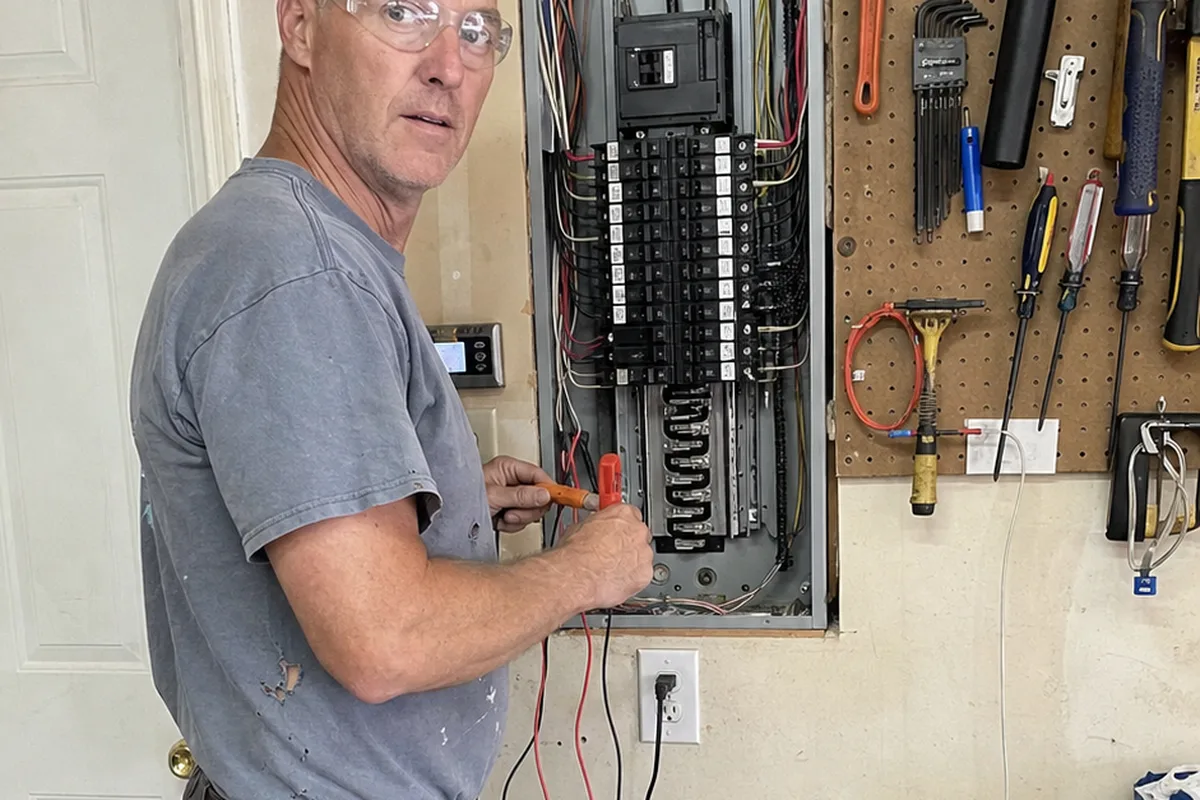
The whole job hinges on available capacity. Ask the amp rating (100A, 200A) and whether they know how many free breaker slots there are. If they don’t know (and most homeowners won’t), note it as “unknown, confirm on site.” A Level 2 charger typically wants a dedicated 240V circuit, and a full panel means the conversation changes to a service upgrade.
2. Single-phase or three-phase supply?
Residential is almost always single-phase. Confirm anyway, especially for shops, small commercial, or anyone asking about faster charging. If they don’t know, record it as unknown rather than guessing.
3. Where does the charger need to go?
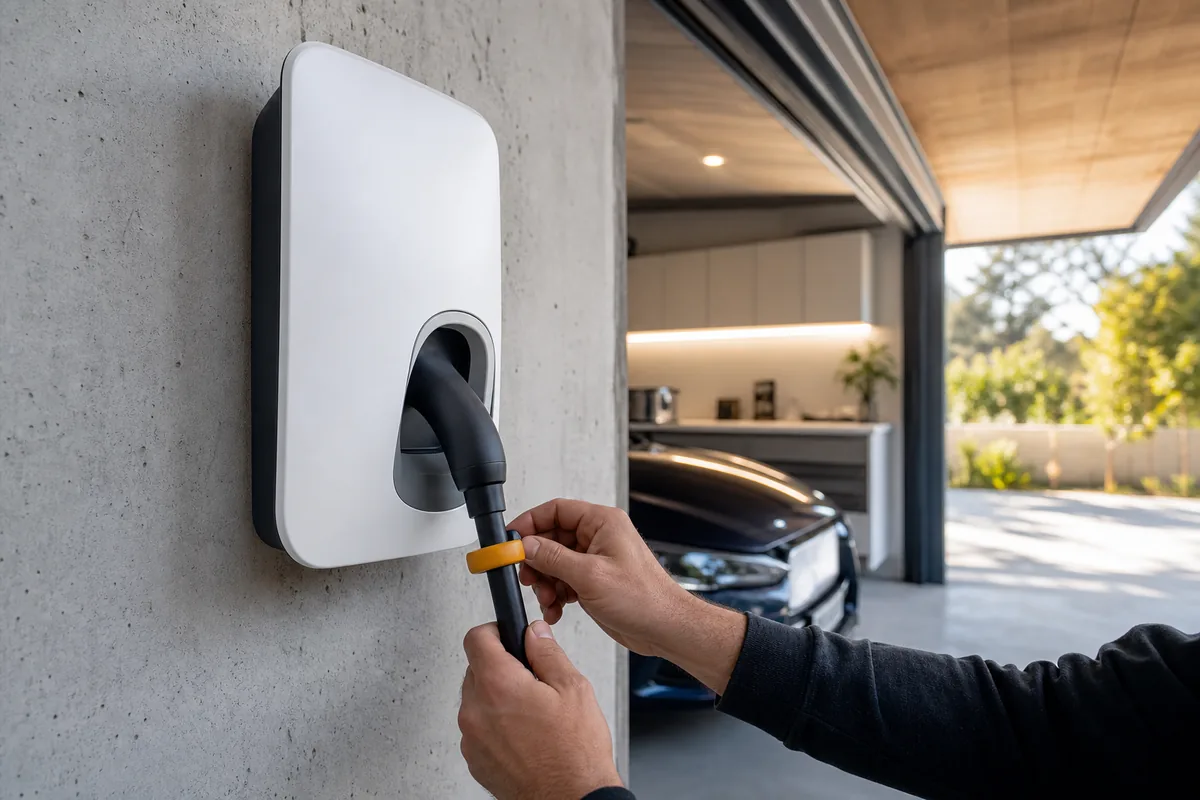
Garage, driveway, or a parking bay? Interior vs. exterior changes the enclosure rating and the mounting. A detached garage or a curbside bay can add a meaningful run.
4. How far is that from the panel?
Get an approximate distance from the panel to the charger location. This is the single biggest driver of material cost and labor on an EV job: a 10-foot run and an 80-foot run across a finished wall are very different quotes.
5. What are they driving, and what charger do they want?
You don’t need vehicle details for the electrical work, but the car (and whether they already bought a charger or want you to supply one) sets the amperage target and avoids a mismatch on site.
Why phone intake wins here
Every one of these can be captured before anyone rolls a truck. Nail them and you quote with confidence, order the right cable and breaker, and finish in one visit. Miss them and you’re back to phone tag or a second trip that eats your margin.
On new construction, some of this is code now rather than a customer ask. See Title 24’s 2026 EV-ready wiring requirement for what CALGreen requires on new single-family builds even when the buyer hasn’t mentioned a charger.
Wirewoman asks the EV-charger intake questions automatically: panel size, supply, location, distance, timing, and texts you a clean summary so you show up ready. Try the demo line and hear it.