TL;DR: A home-inspection report is a noninvasive flag, not a repair scope. Before you quote, identify the caller’s role, confirm whether they want a bid, an evaluation, or the repair, and find out who can authorize access and work before the contract deadline.
The report line is not the diagnosis
A home inspection is noninvasive. California Business and Professions Code 7195(a)(1) defines it this way:
“Home inspection” is a noninvasive, physical examination, performed for a fee in connection with a transfer, as defined in subdivision (e), of real property, of the mechanical, electrical, or plumbing systems or the structural and essential components of a residential dwelling of one to four units designed to identify material defects in those systems, structures, and components.
That matters when somebody calls and says, “The inspector flagged the panel.”
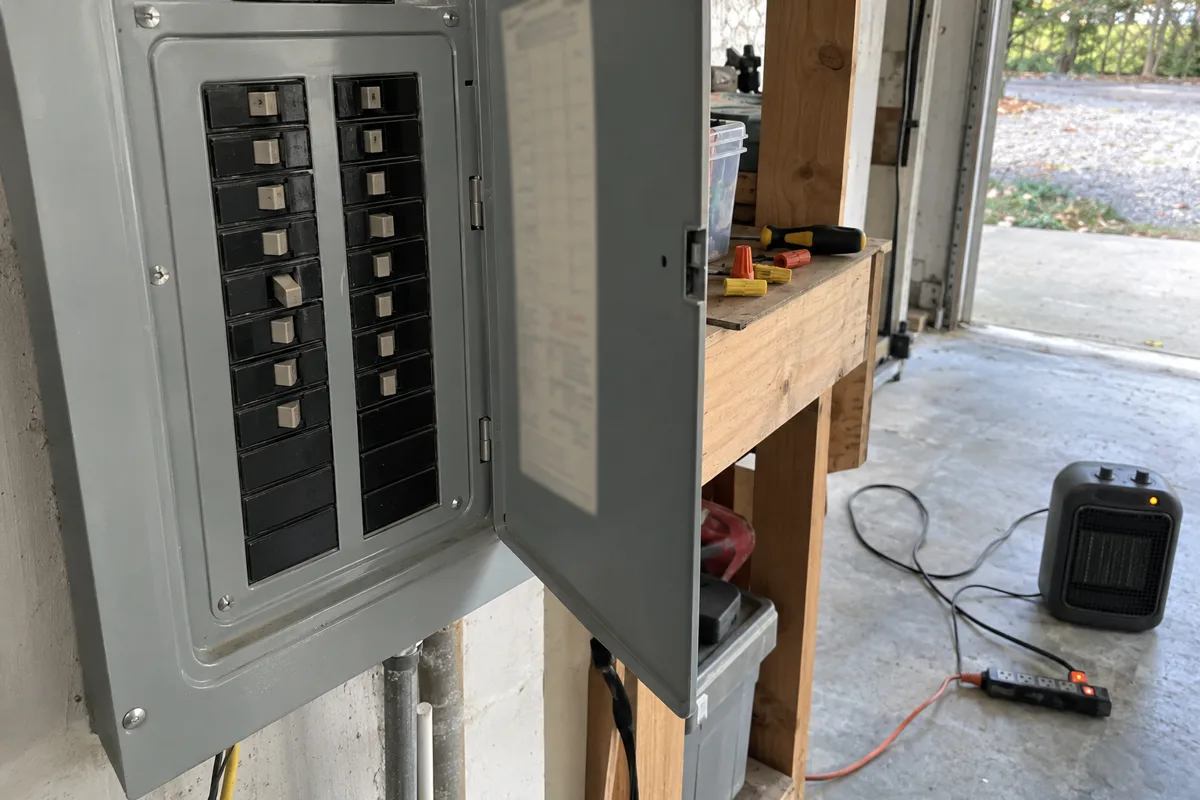
The report line tells you what the inspector observed during a noninvasive inspection. It does not tell you what is behind the cover, what repair method is needed, or what the final price will be. Your visit may be the first time anyone opens the equipment and evaluates the item.
Common electrical flags include double-tapped breakers, missing GFCI protection, ungrounded three-prong outlets, aluminum branch wiring, and panels made by recalled or questioned brands. A report can identify one of those conditions without giving you a complete scope of work.
Ask for the report pages that list the electrical items. Do not accept “fix everything on the report” as the scope.
“Inspector flagged it” can mean three different jobs
The caller may want a written quote for negotiation. They may want an electrician to evaluate a flagged item. Or they may want the repair completed before closing.
Those are different appointments.
Seller’s side calls usually involve a repair before closing or a price to offer as a credit. Buyer’s side calls usually involve a written bid to negotiate with, often before the buyer owns the house and without the right to authorize work on it.
The deal signals often appear in the job summary itself. It may read, “Inspector flagged the panel, we close in two weeks,” or, “Buyer’s agent needs a bid for the double-tapped breakers.” That one line tells you the caller’s role and that a deadline exists before you call back.
Do not send a repair crew when the caller only needs a bid. Do not promise a repair price from a report line that you have not evaluated. If the caller wants an estimate visit, decide whether you charge for that visit under your normal policy. This guide to charging for an electrical estimate addresses that separate decision.
The buyer may not be able to authorize the repair
A buyer does not own the house yet. The person who can authorize work on the property and let you in is the seller, or the seller’s agent arranging access with the seller’s permission.
A buyer can hire you for a quote visit. Repairs to the house need the owner’s authorization. Confirm who signs and who pays before dispatch.
Ask directly:
- Are you the buyer, seller, buyer’s agent, or seller’s agent?
- Do you need a quote, an evaluation, or the repair itself?
- Who owns the property now?
- Who will approve the work?
- Who will pay?
- Who will let us in?
This is the same “who signs” problem that comes up when a renter calls. The property relationship changes, but the intake question does not. See who authorizes an electrician when a tenant calls.
The person requesting the appointment may not be the person who can approve the work. Put both facts in the job record.
The deadline belongs in the first callback
Ask for the contract deadline. The agent will know the date by which their side needs an answer. Do not guess a standard number of days.
A request for a quote before closing is not the same as a request for a repair before closing. The first may require a site visit, written bid, and time for negotiation. The second may require authorization, parts, scheduling, and a signed scope.
Write the quote item by item against the report’s line items. State that the price covers the listed items as observed. Anything found once covers are off becomes a signed change.
Agents and buyers will forward your quote to the other side. It must stand on its own on paper. A vague line such as “repair electrical defects per inspection report” gives the next reader no clear list of what you priced.
Your paperwork should also describe what you inspected and what you did. Do not “sign off” on an inspector’s list you did not evaluate. A quote is not a certification of every statement in someone else’s report.
For a quote format that separates listed work from added work and calls for a signature, see how to write an estimate that survives a change order.
California law separates the inspector from the repair
California Business and Professions Code 7197(a) begins:
“It is an unfair business practice for a home inspector, a company that employs the inspector, or a company that is controlled by a company that also has a financial interest in a company employing a home inspector, to do any of the following:”
Paragraph (1) states:
“To perform or offer to perform, for an additional fee, any repairs to a structure on which the inspector, or the inspector’s company, has prepared a home inspection report in the past 12 months.”
The same section has carve-outs for a C-39 roofing contractor doing roof certifications and a C-36 plumbing contractor on sewer laterals. There is no comparable carve-out for electrical work.
That is why these report calls often come to an independent electrician. The section says what it says. This is operational context, not a legal opinion about a particular transaction.
When a panel is flagged by brand, keep the distinction clear between the report’s observation and your evaluation. You can use this panel recall notice call guide when the brand is the issue. For aluminum wiring flags, use this guide to aluminum branch circuit wiring and CPSC repair methods.
Danger still outranks the transaction
The sale does not change emergency triage.
Smoke, sparks, a burning smell, or full power loss is escalated as an emergency no matter whose deal it is. A buyer’s agent asking for a bid does not make active danger a negotiation item. A seller’s closing deadline does not make an unsafe condition wait for paperwork.
Use your own escalation rules. Out of the box, Wirewoman treats sparking, smoke, burning smell, and full power loss as emergencies that ring your cell. The broader decision points are covered in what counts as an electrical emergency.
Everything else can be sorted by role, scope, authorization, deadline, and access. Danger comes first.
Your intake should produce a usable job summary
Wirewoman answers 24/7. Her intake asks about the property type and age, along with electrical details such as the panel, breaker, GFCI, lighting, and EV charger. She records the caller’s preferred time.
Within 30 seconds of hang-up, her SMS job summary includes the caller’s name, address, the problem in the caller’s own words, urgency, and booked time. Every call is logged to a dashboard. Urgent calls follow your shop’s own escalation rules.
That gives the office a place to record the deal facts before the callback.
Use this sequence before you quote or dispatch
- Check for danger. Ask about smoke, sparks, burning smell, and full power loss. Escalate under your emergency rules.
- Identify the role. Record whether the caller is the buyer, seller, buyer’s agent, or seller’s agent.
- Identify the request. Is it a quote for negotiation, an evaluation of a flagged item, or the repair itself?
- Confirm ownership and payment. Ask who owns the property, who can approve the work, who signs, and who pays.
- Ask for the deadline. Record the contract date the agent needs an answer by.
- Confirm access. Identify who will let you in and whether the owner has authorized the visit or repair.
- Get the report pages. Scope the quote to the listed electrical items, then price any added work through a signed change.
The takeaway is simple: sort the deal before you price the work, and treat the inspection report as a list of items to evaluate, not a repair order.