TL;DR: “24 hour” means someone answers at any hour, or a licensed electrician goes to a real emergency at 2am. Before you advertise it, decide who answers, who goes, what wakes the on-call person, and what you charge.
The caller searching for “electrician 24 hour service” at night is usually dealing with no power, a breaker that will not reset, or a burning smell. They call several shops and take the first live answer. A voicemail loses that call, and a missed call costs a California electrician more than most shops expect.
What “24 hour electrician service” can mean
Answered 24 hours means someone or something picks up every call at any hour, takes the details, and tells the caller what happens next. A truck may not roll until morning for a non-urgent call.
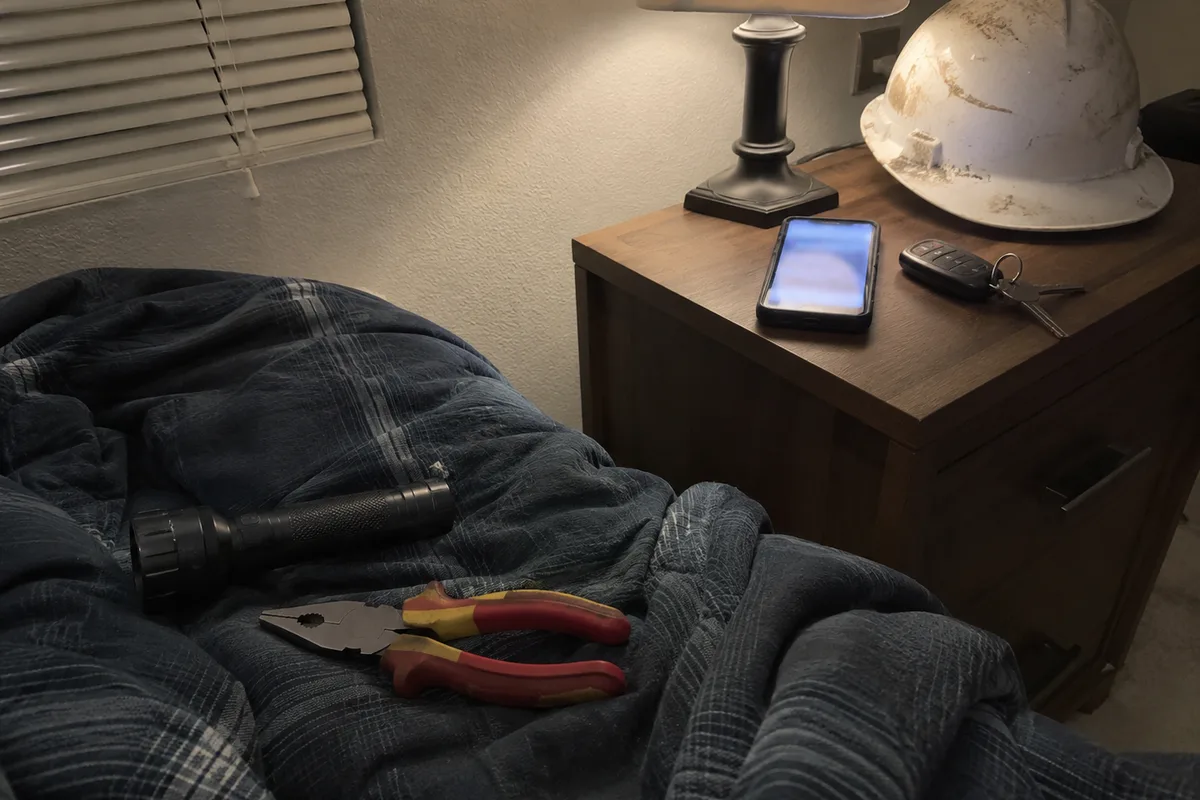
Dispatched 24 hours means a real emergency at 2am gets a licensed electrician on the way. That requires an on-call person who can respond.
Extended hours means early and late service, but not overnight. Do not call that 24 hour.
The mistake is advertising dispatched service while delivering answered service. Say which one you offer in your ads, on the truck, on your website, and in your Google listing.
The words create a promise. The caller will hold you to it at 2am.
Your on-call rota has to exist before the first late call
Write down the names, order, and phone numbers for everyone on the rota. Pick a fallback window. If the first person does not answer within the number of minutes your shop chooses, the call goes to the next person.
One person on call every night burns out. A rota with a clear backup is what makes 24 hour service survivable for a small shop.
Keep the rota in writing. Do not leave it in someone’s head. The person answering calls needs the same order as the person carrying the on-call cell. If the first electrician is unavailable, the next step must already be decided.
The handoff belongs in your after-hours call policy, so write it there once and follow it every time.
Emergency flags decide what rings your cell
Choose the exact words that ring the on-call cell right away:
- Sparking
- Burning smell
- Smoke
- Shock
- No power to the whole property
Everything else is booked, not escalated. One dead outlet is booked. A porch light that is out is booked. A single room with no power and no smell is booked.
Life-threatening situations come first. Shock, fire, or sparks with smoke get “call 911 first” before anything else.
Your triage rules should match the questions asked on every call. The three-level guide to what counts as an electrical emergency is a good starting point.
On Wirewoman’s dashboard, every call is logged. When a shop reviews its after-hours calls, the pattern is clear. Many calls come in as “emergency” in the caller’s words, then sort into the safe-to-book level once the danger questions are asked.
That is why escalation rules decide how many nights you are actually woken up.
The person answering the phone controls the service
The call handler must ask the same questions every time:
- What is your name?
- What is your callback number?
- What is the service address?
- What happened?
- Is anyone in danger?
- Is it safe right now?
Then the call gets escalated or booked.
Voicemail does not count as 24 hour service. “We’ll call you back” does not count either. The caller needs a live answer and a clear next step.
That first conversation also protects the on-call electrician from being sent to every problem described as urgent. The danger questions sort the real emergencies from the calls that can wait until morning.
Price after-hours work before you promise it
Decide your after-hours rate before you dispatch. Tell the caller the rate before the electrician goes.
In California, after-hours work can trigger overtime for employees from the first minute. Cost that before you promise overnight service, and read how California daily overtime applies to after-hours calls before setting the policy.
If a declared emergency is in effect, price rules apply. Read the piece on SB 1365 and price gouging on emergency electrical repairs before you set emergency pricing.
A live call at 2am is not automatically profitable. The rate, the employee cost, the dispatch decision, and the response promise all have to fit together before the ad goes live.
Wirewoman can answer every call, but not replace your electrician
Wirewoman answers 24/7 and runs the rules your shop sets. That includes your danger words, your on-call order, and your response promise.
On a real emergency, she rings the on-call cell. She books everything else to your calendar. She sends the job summary by SMS within 30 seconds. She logs every call to a dashboard.
That makes it possible to say “answered 24 hours” truthfully without someone staying awake all night.
She does not replace the on-call electrician for dispatched service. Your shop still needs a person who can roll when a real emergency meets your escalation rules. See how Wirewoman handles emergencies.
Before you put “24 hour” in a headline, answer four questions in writing:
- Who answers?
- Who goes?
- What rings you?
- What do you charge?
If you cannot answer all four, advertise “after-hours emergency calls answered” instead. To hear how Wirewoman handles the calls, try the demo line.